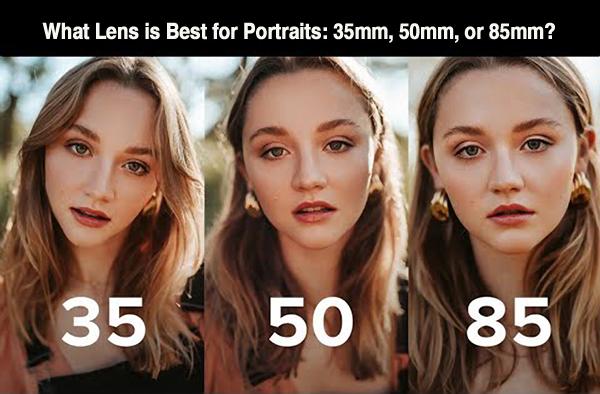
A lot goes into making captivating portraits, and we regularly post tutorials on lighting techniques, camera settings, and how to pose and direct models. Today’s episode has a narrower focus; namely, taking a look at how lenses of three popular focal lengths perform with regard to several important imaging characteristics.
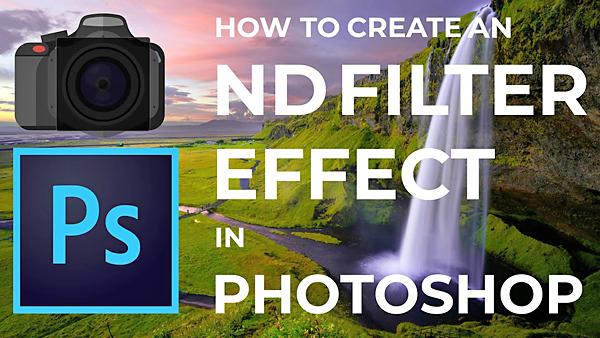
Neutral Density (ND) filters are among the most popular tools for nature and landscape photographers because of the versatility they provide in setting exposure. By limiting the amount of light entering a lens, ND filters permit shooting at very slow shutter speeds under bright light, for creative effects like soft-flowing water, cotton-like clouds, light trails and more.
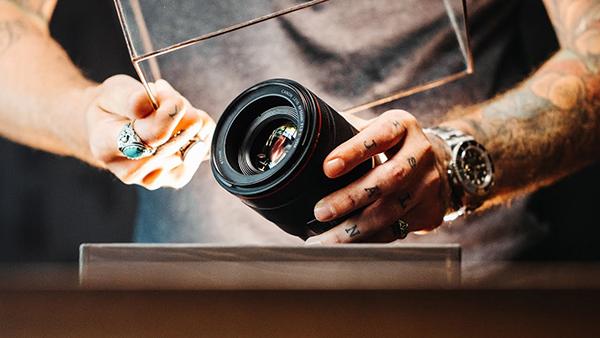
What is the best prime lens for photography? According to photographer and YouTube star Peter McKinnon, it's the Canon RF 50mm f/1.2L USM and in the below video he tells you why.
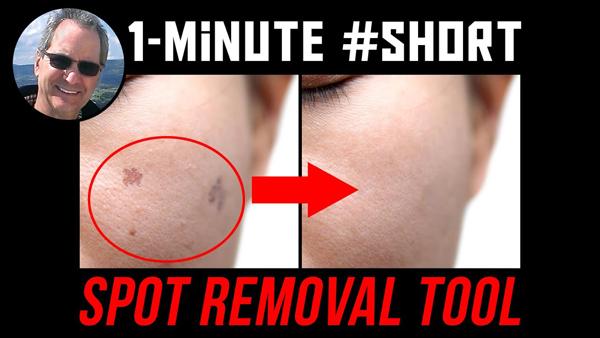
Whether you’re photographing an experienced model or a member of your family, simple portraits can be a lot of fun. But even with an attractive subject, skin blemishes can spoil an otherwise great shot.
Sometimes you capture what you think is a beautiful image, only to look at it on the computer and realize it’s simply not sharp. There are a number of third-party apps and plug-ins that do a good job of fixing this problem, but you can actually get great results using Photoshop with the following advice.
One of the things many beginning boudoir photographer don't understand is the value of using props in your shoots. And yes, this goes beyond pillows, bed sheets, blankets, or anything else you might typically find in a bedroom.
Outdoor photographers love shooting at “Blue Hour”—that quiet, moody time just before dawn or after sunset. That’s because images take on a soft, ephemeral glow before the sun rises in the morning or drops below the horizon at night.
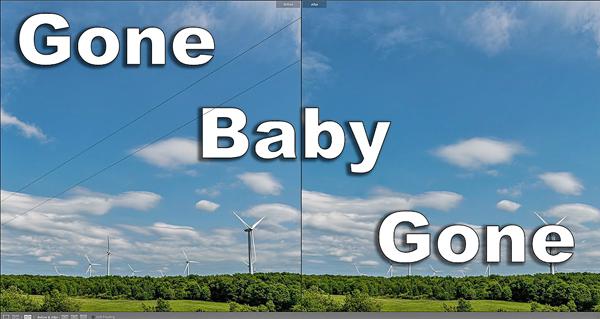
One of the basic rules of composition, that’s even familiar to most beginning photographers, is to avoid framing a shot so a tree, fence post or telephone pole appears to be emanating from a subject’s head. But what about those ugly power lines running across the sky, that seem to be everywhere we look?
One of the first choices you come across when setting up a new camera is the Color Space setting where you can select either sRGB or AdobeRGB, and both have their purposes. If you want to know what’s the best option for you, and when to change it, read on.
Seems as we untangle ourselves from the seaweeds, the world is slowly opening back up again for travel. The more freedom we redeem the more that itch to capture the colors and wonders of the Earth will tickle your fingertips.