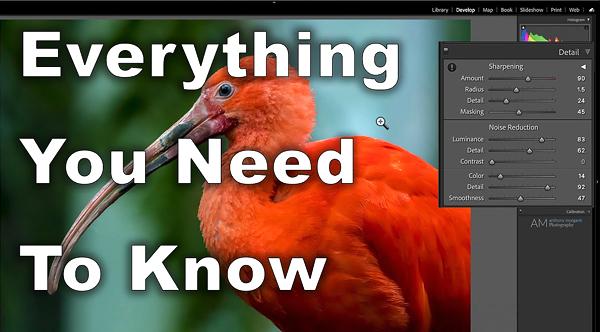
One of the first things photographers do when editing images is reduce noise and sharpen soft photos. And while there’s a bunch of helpful apps that address these tasks, the video below describes what one expert says is the “quintessential” method of accomplishing both jobs in Lightroom.
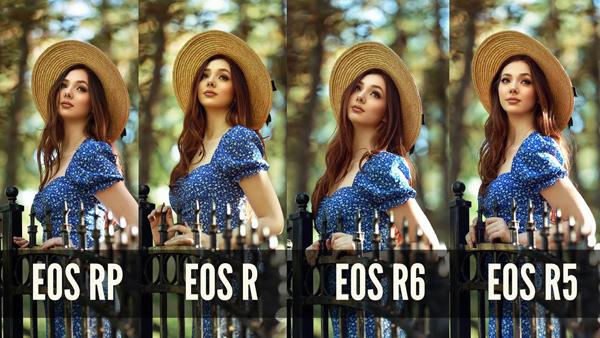
So you’re thinking about making the move to a full-frame mirrorless camera, and want to compare models from Canon. Or perhaps you already own the affordable EOS RP, and want to step up to a more advanced option. In either case, the video below will help you make the right choice.
Last month, portrait photographer Anita Sadowska conducted a lens shootout pitting the Canon 35mm F/1.4 vs the Sigma 35mm F/1.4 vs the Tamron 35mm F/1.4. The comparison test went down to the wire with the Tamron doing well considering its affordable price and the Canon succeeding for overall image quality.
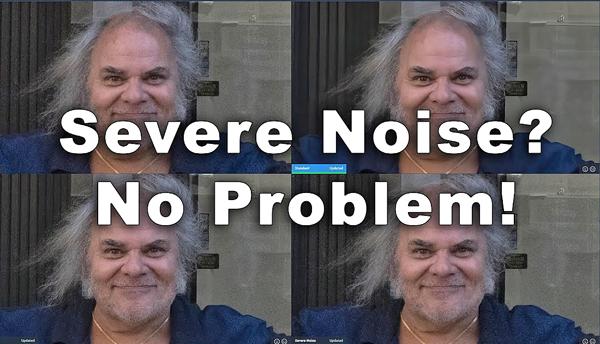
Handheld photography under low-light conditions often involves extremely high ISO settings that you’d never use under any other conditions. But taking this approach typically results in those ugly artifacts we call “noise.”
When contemplating the purchase of a new camera, lens, or important accessory, it’s really important to do your research—like reading the reviews we post here. It also helps to get the opinion of professional photographers, and hear what’s selling like hotcakes at retail.
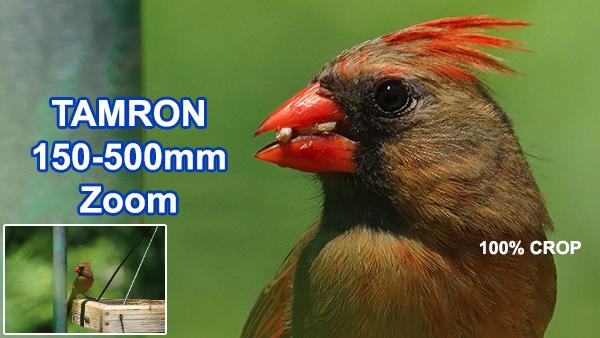
Tamron just released their new 150-500mm f/5-6.7 zoom and we received one of the first samples for review. Where would you take such a lens? We went to the NJ Audubon Center, a Somerset Patriots baseball game (they’re the NY Yankees’ Double-A minor league farm team), a nearby nature preserve and the patch of bee-attractant flowers in my back yard. Here’s our review and lots of pictures from these four venues.
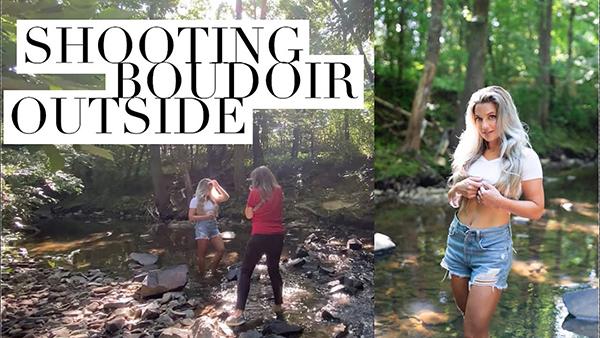
Yes, boudoir technically means bedroom in French and yes, most boudoir photography is shot indoors (in the bedroom and elsewhere) but that doesn't mean that you can't shoot boudoir outdoors too. We've written about photographers who shoot boudoir outdoors previously, now here's another take on why it's good to experiment with intimate portraiture outside.
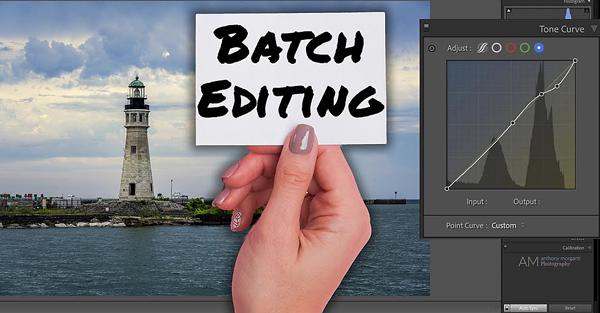
Most photographers would rather be out shooting than sitting behind a computer editing dozens of images. One way to dramatically reduce processing time and get back out in the field is to “batch process” your photos.
This is a great time of year to photograph our feathered friends, and as you’ll see in this comprehensive tutorial, with the proper skill you needn’t travel further than your own backyard to make some truly spectacular images.