One characteristic that separates most photographers from the truly greats is that heavy hitters typically have a distinctive and easily recognizable style. Often that’s accomplished by a mastery of technique, sometime it has to do with unique subject matter, and other times a special approach to image editing creates that special style.
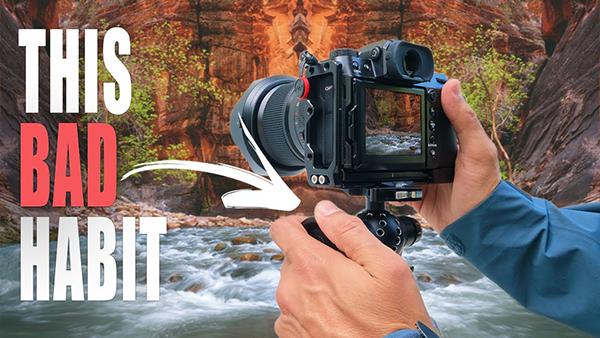
Bad habits can ruin you landscape photography and if you want to get better sometimes it's just a case of changing your behavior. Landscape photographer Mark Denney knows a lot about fixing bad habits in order to capture winning images. He admits he's been dealing with them since he started in photography.
Whether the view before you is an expansive vista, a majestic mountain scene, or a stunning seascape, there’s a good chance you’ll reach in your bag, pull out a wide-angle lens, and mount it on your camera. But that doesn’t guarantee a great image unless you avoid a few common errors.
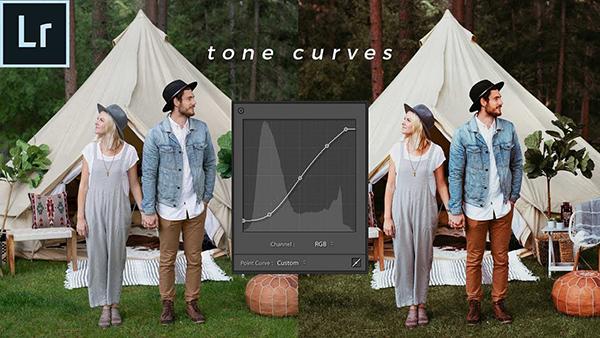
The Tone Curve tool, as we've explained before, is one of the most powerful and effective editing tools in all of Lightroom. But it's also one of the most intimidating.
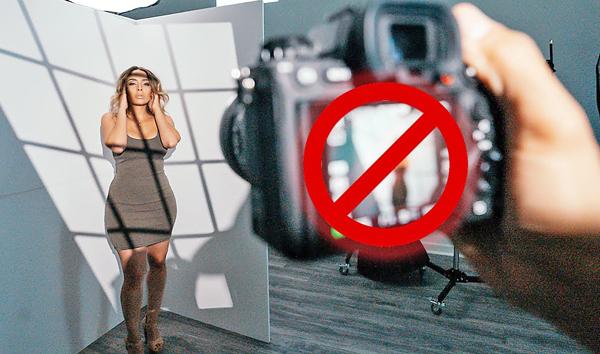
Most of us don’t make our living as professional photographers, but there’s no reason to advertise your amateur status with images that somehow miss the mark. Fortunately, you can easily up your game by watching the quick video below.
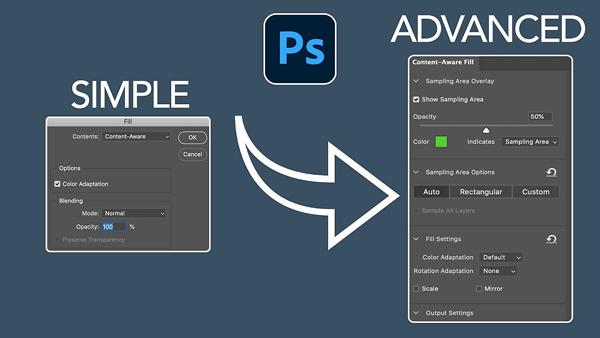
When one of our favorite image-editing instructors says, “This is one of Photoshop’s most powerful features,” it’s time to stop and listen. And when he demonstrates how to use this tool in barely five minutes, we’re definitely paying attention.
Summer is in full swing, and that means a trip to the beach. And what better way to make eye-catching images than shooting seaside portraits of pretty models? Keep reading if that sounds like fun, because we have five simple tips to improve your results.
I know someone who calls these photographs my Alfred Hitchcock Project. You know, TheBirds through a Rear Window. Nice touch, but the truth is the Master of Suspense was not in my thoughts when I began to shoot.
Anthropologists recently revealed that the DNA of modern man differs from Neanderthals, Denisovans and other early human prototypes by a mere 1.5 to 7%. Witnessing lack of driver courtesy on the NY State Thruway, I could have told you that without ever even looking at a genome. But these new facts beg the question: “Why do so few photographs remain?”