Lens Reviews

Sort By: Post DateTitle Publish Date
Jack Neubart  |  May 01, 2008

The expansive coverage of a 14mm lens may be more than you think you need. But you'd be surprised to discover that it reveals a world of possibilities that might otherwise escape you. While it certainly is ideal when shooting in open country, a super-wide lens can do wonders in tight quarters. To check out this lens, and along the way explore the potential of this focal...

Stan Trzoniec  |  May 01, 2009

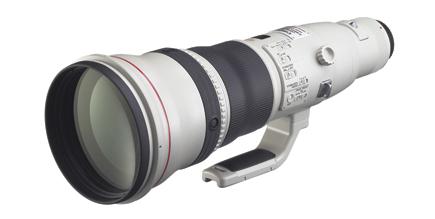
The arrival of the new Canon EF 800mm f/5.6L IS USM lens was a case of perfect timing as within a few days I’d be on the road for a couple of weeks photographing the abundance of wildlife at the Blackwater Refuge.

Joe Farace  |  Aug 01, 2006

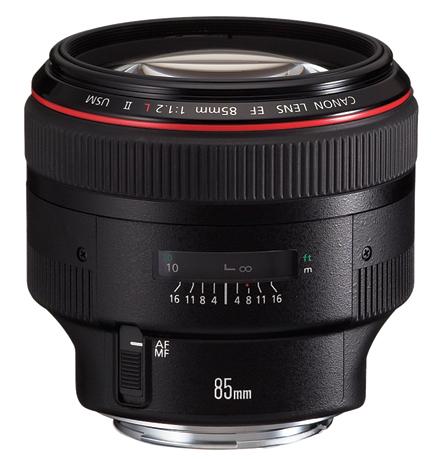
For some time now my favorite portrait lens has been Canon's EF 85mm f/1.8 USM, but now my new favorite is the Canon EF 85mm f/1.2L II USM. It replaces the EF 85mm f/1.2L USM and offers the widest aperture of any lens in Canon's EF family. All in all it provides a useful combination of focal length, depth-of-field control, and low-light performance. The superb optics...

Jack Neubart  |  Dec 01, 2005

The Canon EF-S 10-22mm f/3.5-4.5 USM (16-35mm equivalent in 35mm parlance) was designed to cover the APS-C format, specifically the EOS 20D and both EOS Digital Rebels (plus future APS-C models). Canon's EF-S lenses (S = Short Back Focus) are physically matched to these cameras. This design also results in a smaller and lighter lens (3.5" long and less than 14 oz).

Jack Neubart  |  Apr 01, 2006

If I could, I'd spend all my time hunting down bugs and lizards and any other critters small enough to fit inside a macro lens. Simply stated, I love macro. So I couldn't wait to put the new EF-S 60mm f/2.8 Macro lens through its paces on my Canon EOS 20D digital SLR.


As you may already know, EF-S is Canon's designation for APS-C-dedicated lenses...

Joe Farace  |  Aug 01, 2009

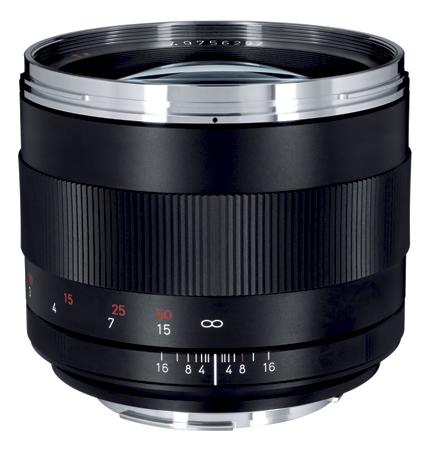
There is no doubt that Carl Zeiss is one of the magical names in the world of optics and so the introduction of the Zeiss ZE lenses for analog and digital cameras is big news.

Joe Farace  |  Aug 01, 2010

When it comes to lenses, the name Carl Zeiss is synonymous with optical perfection or as they say around the Hallmark store, “when you care enough to shoot the very best.” Zeiss continues to expand its line of interchangeable lenses for Canon, Nikon, and Pentax cameras to include two new wide-angle lenses, the Distagon T* 18mm f/3.5 and Distagon T* 21mm f/2.8.

The...

Jon Sienkiewicz  |  Feb 02, 2024

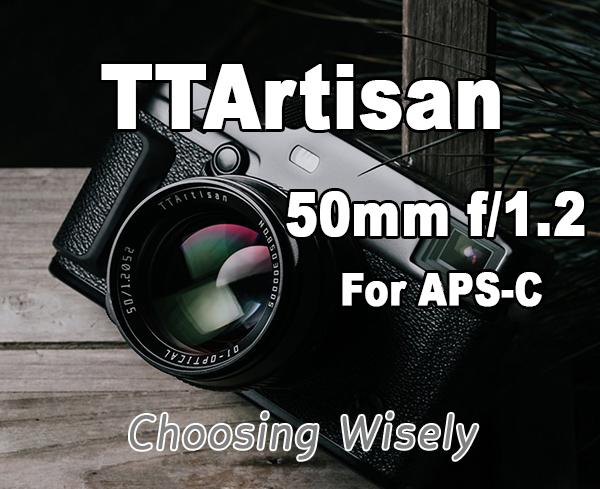
The 50mm f/1.2 all-manual APS-C lens from TTArtisan costs around a hundred bucks and is built like an Acme anvil. It offers outstanding value for the dollar and is fun to use. But it's not perfect. Read on to review the Pros and Cons as we see them.

Ron Leach  |  May 26, 2017

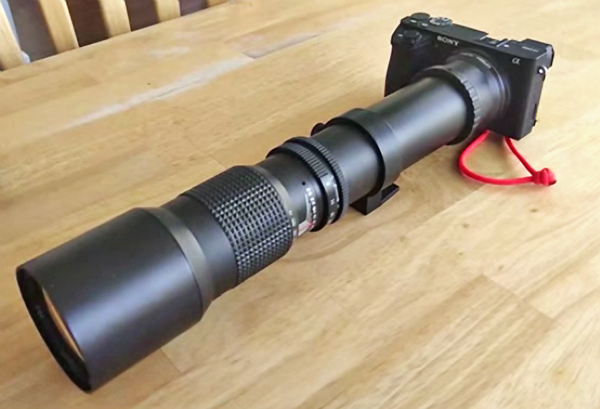
One of the few things we didn’t try in our in our recent review of Sony’s small and sophisticated A6500 mirrorless camera was to try shooting with a cheap 500mm f/8 preset lens and a 2x teleconverter. But that’s exactly what photographer Christopher Burress did in the video below, and his results are pretty interesting.

Jon Sienkiewicz  |  Nov 14, 2025  |  First Published: Nov 15, 2025
It snowed yesterday where I live, so it's time for a sleighride song. This ditty is sung to the tune of Jingle Bells and is called "Wannabe's Lament." It's a cheerful tune about the photographer I could have been, if only I'd had the right equipment. Sigh!

Shutterbug Staff  |  Jul 05, 2019

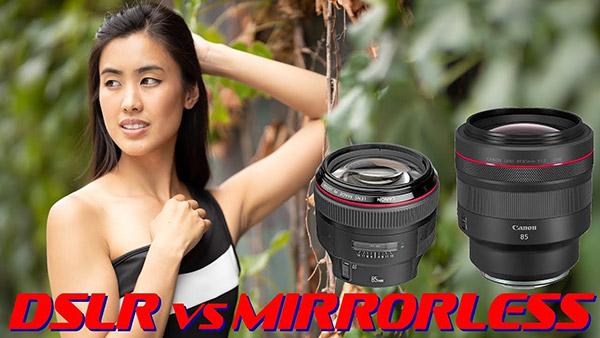
Canon has not one but two elite 85mm portrait lenses: Canon EF 85mm f1.2L II and Canon RF 85mm f1.2L lens. The main difference between these two portrait masters is that the EF lens is designed for Canon's DSLRs while the R lens is made for its new full frame mirrorless camera line.

Peter K. Burian  |  Jun 01, 2009

Although zoom lenses are certainly versatile and convenient, they do have some drawbacks, including relatively small maximum apertures.

Joe Farace  |  Dec 16, 2016

Sports photography shares much in common with capturing images of wildlife: You’ve got an active scene captured at a distance requiring specialized equipment and knowledge of the subject’s activities while anticipating what they are going to do next…or not. Sure, you’ll need fast, long focal length lenses but you will also need camera supports and other gear that along with specialized knowledge separates the virtuosos, like Regis Lefebure (regislefebure.com), from the wannabes. Here’s a look at some of our favorite tools of the sports trade.

Stan Trzoniec  |  Sep 09, 2011  |  First Published: Aug 01, 2011
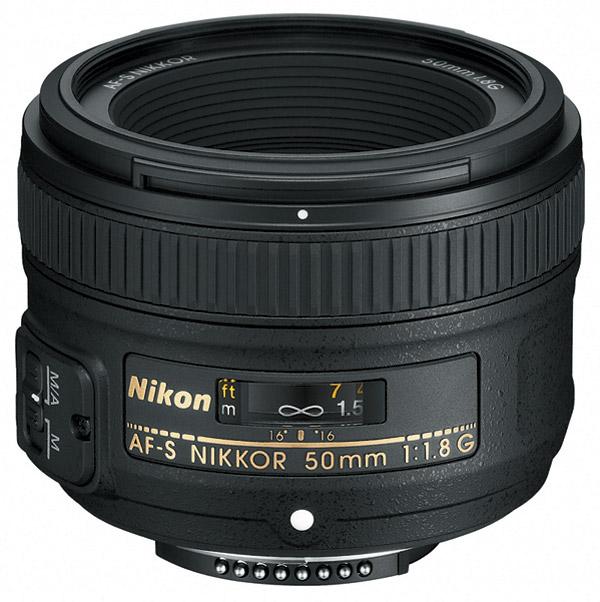
With the availability of sky-high ISOs on digital cameras and VR on slower lenses, some have argued that it’s not practical or economical to work with fast, prime lenses anymore. On the other hand, lenses like the Nikkor 24mm f/1.4G ED (list: $2200) and 50mm f/1.4G (list: $485) serve a distinct purpose for not only the obvious low-light advantages but also for the very, very shallow depth of field they can deliver.

Stan Trzoniec  |  May 16, 2012  |  First Published: Apr 01, 2012

There are two general classifications of lenses that define how you use them in the field—zooms and single focal length, the former being a variable focal length lens that has many convenient advantages, and the latter being a single focal length that, in the group we’re covering here, is what’s known as a “fast” lens. Fast doesn’t mean that it focuses quicker than its zoom cousins, though it might—it usually means that it offers a wide maximum aperture, anywhere from f/1.2 to f/2.8, and that aperture stays put, unlike some zooms where the aperture varies by going narrower as you zoom into longer focal lengths. And to help refine the group we’re covering here we’re also topping out the focal length at 50mm, which makes these lenses prime for street and low-light photography, candid and photojournalism work.

Pages

X