If you're a proud pet owner let's forget about your photographic specialty for the next 10 minutes, because we all love capturing memorable images of our furry friends. Today's tutorial from the B&H Photo Video YouTube channel demonstrates five must-know tips for getting the job done to perfection
Capturing sharp photos is a goal of all photographers, and it's best to get the job done in the camera. That's because things can go wrong when attempting to fix soft images in post-processing.
A lot goes into making eye-popping bird photos in the field. First you have locate an attractive subject, and then catch it in a great pose against a pleasing background. Once you’ve done that, you still have to get the exposure right under often changing light—all before the bird decides to take flight.
Capturing sharp photos is a key goal for all types of photography, but achieving precise focus is particularly challenging when shooting wildlife and other fast-moving subjects outdoors.
Shooting great outdoor photographs in perfect light is often quite simple, enabling us to capture impressive images that require a minimum of post processing. Unfortunately, things get far more challenging under less favorable conditions as you'll see in this quick tutorial from the Photography with Rich YouTube channel.
The Shutter Priority mode, often labeled "S" or "TV" on your exposure dial, provides you with full control over this key setting while the camera automatically adjusts aperture to arrive at accurate light. Today's video below from the Hamed Photography YouTube channel adds an interesting twist that makes this approach to exposure even more useful than you thought.
Shutter Speed is an important consideration with an interesting duality. Many photographers opt for high shutter speeds in an attempt to assure maximum sharpness—admittedly a key consideration when setting up a shot. But there are times when a slow shutter speed will deliver images with a heightened sense of artistry.
This 10-minute tutorial begins with a question for those of you see captivating backlit photos with beautiful golden tones and think to yourself, "why don’t my photos look like that?" There are a number of challenges with shooting under such conditions, and the tutorial below explains what they are and how to overcome them.
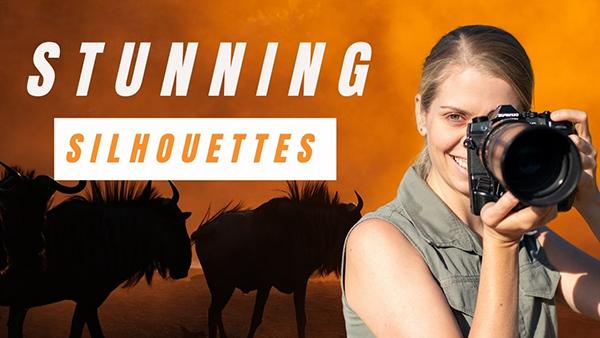
Everyone loves a stunning silhouette, but do you understand how to capture one with precision? If not, stay tuned because that's what you'll learn how to do in this tutorial from the experts at C4 Photo Safaris— a group of guides, photographers and workshop instructors based in Botswana, Africa.
Do you understand the benefits of shooting in Manual mode, but you're still struggling to achieve the right combination of settings when photography birds? If so, this tutorial from the Flying Parrot Photography YouTube channel will quickly simplify the process.
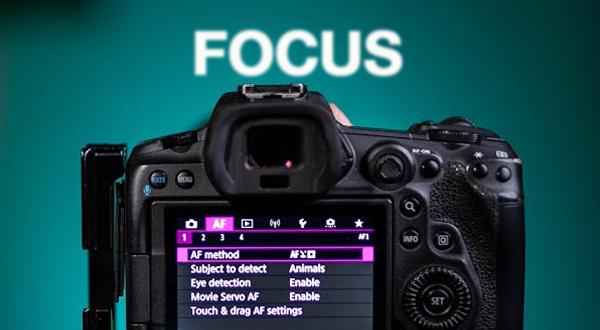
Earlier this month we discussed five ways to boost autofocus with whatever gear you own. Today's tutorial from Great Big Photography World (GBPW) takes a look at one specific camera setting that will deliver the best possible results in a variety of situations.
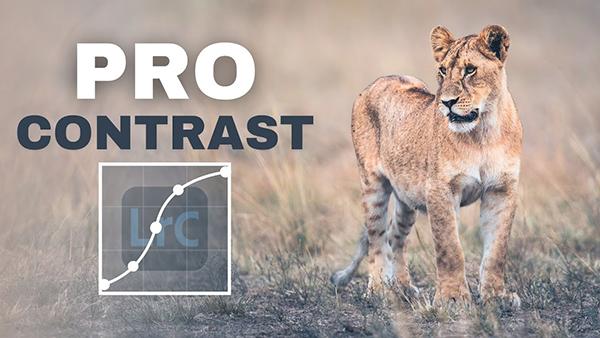
What if you were told to "avoid Lightroom's Contrast slider" because there's a much better technique that delivers superior results and is easy enough to accomplish for users of all skill levels? You don't have to trust us on this because the claim comes from one of our favorite professional wildlife and landscape photographers.
Attaining fast and precise focus is a prime goal for all types of photography, and there’s more to it than you may think. If your images aren’t consistently sharp, you’ve come to the right place today.
Sometimes the light can be "as flat as a pancake" when shooting outdoors, and this common situation rarely bodes well for capturing impressive imagery. But if you do the best you can it's possible to transform a boring photo into something more special during post processing as you'll see in this video tutorial from the folks at The Photography Spot channel.
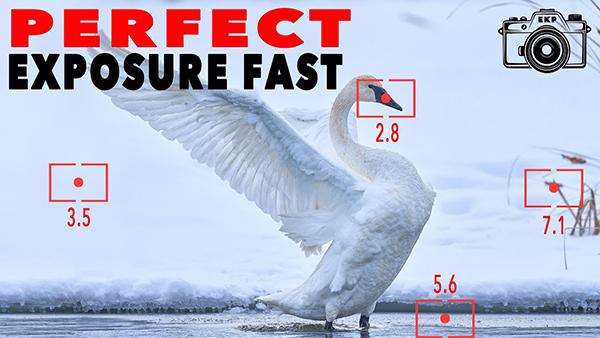
Your camera's Spot Metering mode is one of the most powerful options at your disposal, yet this transformative setting is often ignored because photographers don't understand how it works. And that's too bad because, when used properly, it's almost impossible to end up with disappointing images that are either too bright or too dark.