It's very likely that one or more of the zoom lenses you own utilize a "variable aperture" design. It essential to understand what this means and how these types of lenses affect every image you capture. This tutorial from the Adorama TV YouTube channel explains everything you need to know.
There's a lot of hype about the "superiority" of full-frame cameras these days, and it's important to separate the marketing chatter from the difference in sensor size as pertains to your particular style of photography. If you're thinking about "stepping up" we encourage you to watch this video before making the switch.
The current trend in cameras is clearly moving in the direction of full-frame mirrorless models with super-high resolution, and the megapixel race shows no signs of abating. But is this based upon sound photographic principles, or does creative marketing and the “Gear Acquisition Syndrome” factor into the equation?
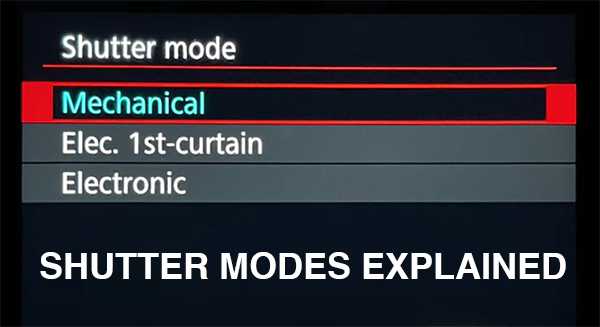
If you've never taken a deep dive into the menu, you may be surprised that the camera offers a choice of three Shutter modes; namely, Mechanical, Electronic, and Elect. 1st-Curtain. I's important to understand when to select one mode over another, and that's what you'll in this quick explainer from the Stormcabbirds YouTube channel.
If you're continually amazed by how pros achieve such spectacular results when processing images in Lightroom, we're going to let you in on a little secret: Sometimes these remarkable enhancements are less about advanced skills than knowing the best tool to use for the task at hand.
Birds are a unique subset of wildlife subjects because you don't have to travel far to capture compelling images. This accessible genre can be pursued at a nearby park, local nature reserve, or even in the comfort of your own backyard. And interesting species change throughout the year.
A common practice among nature and wildlife photographers is to shoot at maximum aperture to separate the primary subject from a soft out-of-focus background. This tutorial, however, explains when this can be a bad habit and actually spoil an otherwise great image.
So you have a bit extra cash to spend on photo gear, and you’re about to go shopping. Before you do we want to remind you of something we’ve stressed in the past; namely, it often makes far more sense to upgrade your optics than it does to invest in a new camera.
Selecting the appropriate shutter speed for a given scene is important for most types of photography if you want the best possible results. This decision is important with landscapes and wildlife shots—particularly when shooting hand-held, for scenes with motion, and while using long lenses.
It's super easy to add drama and visual interest to wildlife and nature photos by emphasizing dark tones in Lightroom. This tutorial from Park Cameras, a leading retailer in the UK, explains a simple post-processing technique that accentuates colors, separates the subject from surrounding areas, boost contrast, and much more.
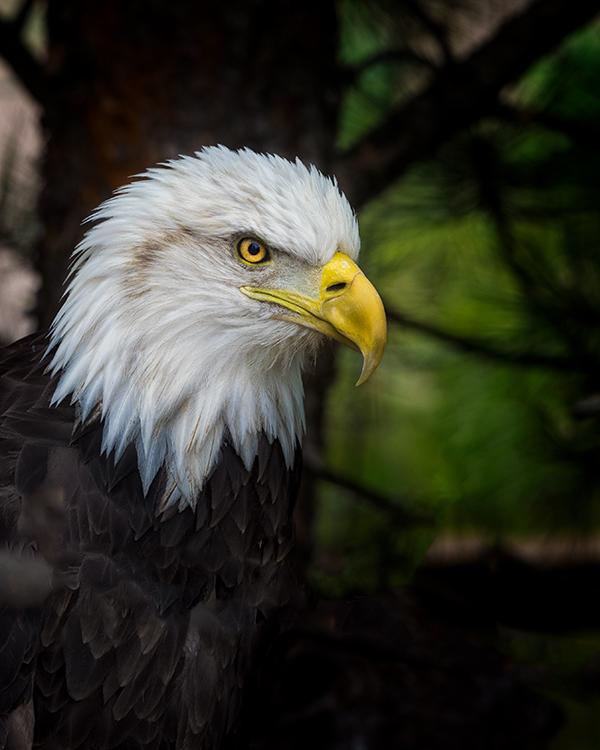
During a visit to the Nature and Raptor Center of Pueblo, a bird sanctuary in Pueblo, Colorado, Shutterbug reader Michelle Goodall captured this magnificent bald eagle image: “How could anyone resist taking a photo of something so beautiful?”
If the Radial Filter isn't part of your everyday workflow, that's going to change today because you'll learn what it does and how to use it in this tutorial from landscape photographer Abhiskek Mitra. Mitra recently launched an instructional YouTube dedicated to Lightroom and Photoshop hacks for those new to the game.
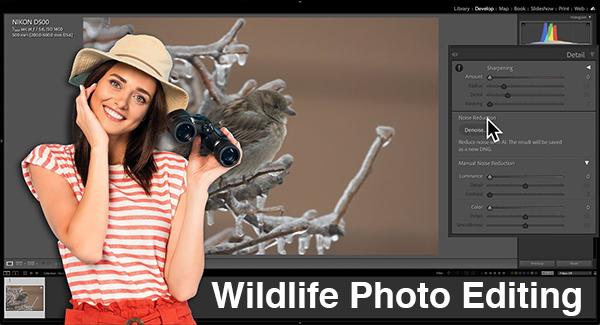
Last week we featured a tutorial explaining how photographers of all skill levels can shoot impressive wildlife photos with whatever cameras they own. Today we're moving on to the next step in the process with a straightforward lesson on enhancing these great images in Lightroom.
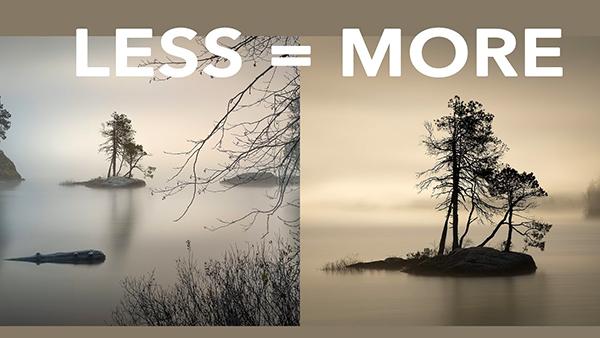
One big challenge when shooting in in the field is understanding how to make sense out of chaos when confronting complicated scenes. Today's eye-opening tutorial takes this approach to the extreme by exploring the power of minimalist photography.
Cluttered backgrounds are often unavoidable when shooting in the field, and this distraction will easily deemphasize a key subject in wildlife shots, nature photos, or even landscape images with an element that deserves to really stand out. Today's tutorial featuring German expert Christian Mohrle demonstrates how to save the day with the thoughtful use of Lightroom's easy-to-apply Lens Blur tool.