Lighting How To

Sort By:  Post Date TitlePublish Date
Ron Leach  |  Nov 08, 2023

Many photographers shy away from portraiture for a couple reasons: Either they lack an understanding of on-camera flash, or they don't own more complicated (and expensive) lighting gear. Today you'll learn an alternative approach that delivers beautiful people pictures without supplemental illumination.

Ron Leach  |  Nov 07, 2023

One of the biggest challenges when shooting indoors is dealing with unusual light that imparts ugly color casts to the images you shoot. This can even happen when photographing outdoors in ambient light when nearby or overhead objects may bias tones and make them appear unrealistic.

Ron Leach  |  Nov 03, 2023

We addressed the first problem in an earlier tutorial and today you'll learn how to cope with the latter. Instructor Simon d'Entremont is an accomplished Canadian pro, specializing in wildlife imagery, and he walks you through the steps he takes to capture great images when the light is far from ideal.

Ron Leach  |  Nov 01, 2023

Getting the light right is perhaps the most essential component of all great images, whether they're captured indoor or out. But there's another crucial component that can really add depth and impact to a photo, namely the thoughtful use of shadows.

Ron Leach  |  Oct 30, 2023

Among the most challenging conditions faced by landscape photographers is bright midday light. In this situation you can either go home and try again under better conditions or understand how to make the most of harsh light.

Ron Leach  |  Oct 24, 2023

When all else fails and there's "nothing to shoot" it's time to do out and photograph the sunset. These warm, romantic scenes are favorites among photographers of all genres, and this tutorial from the B&C Camera YouTube channel reveals the best camera setting to use for achieving beautiful results.

Ron Leach  |  Oct 06, 2023

Dodging and burning is a classic image-editing technique dating back to the heyday of film and the darkroom. Back then, dodging was used to lighten a specific portion of an image, while burning did the opposite.

Ron Leach  |  Sep 28, 2023

The first thing most landscape photographers do when arriving at a location is reach into their bag and pull out a favorite wide-angle lens. That's because the perspective these lenses provide enables you to capture breathtaking, expansive vistas.

Ron Leach  |  Sep 18, 2023

There's still time before the seasons change to capture eye-popping macro photos of insects, and the quick tutorial below will help you level up your game. You'll learn seven pro tips in just seven minutes, before it's time to switch gears and think about making close-ups of snowflakes.

Ron Leach  |  Sep 11, 2023

We've all been told to avoid shooting on bright sunny days or when the sun is high in the sky because contrasty light is the enemy of great photos. While there's some truth to this rule, harsh conditions also present opportunities for capturing great images.

Ron Leach  |  Sep 11, 2023

Some landscape scenes look far more compelling when rendered in b&w, whether you captured the shot using your camera's monochrome mode or do a conversion later during the editing process. In either case, some thoughtful processing is required for optimum results.

Ron Leach  |  Sep 07, 2023

There are numerous reasons for poorly exposed photos when shooting in the field under difficult lighting conditions, including harsh light, dark foregrounds, and bright washed-out skies to name a few. When you're faced with challenges like these, photos often  turn out to be a compete mess.

Ron Leach  |  Sep 06, 2023

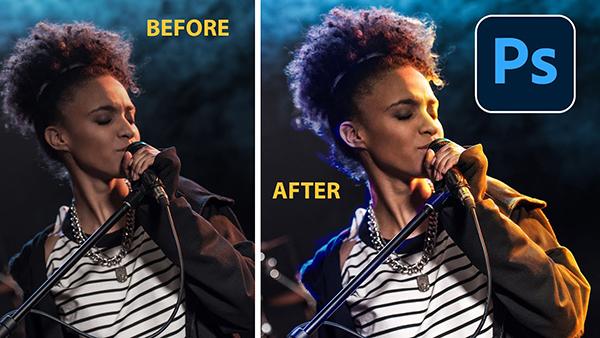
Most photographers would rather be out shooting than sitting at the computer editing their work, which is why it's great to discover a fast and effective processing technique that makes a big difference in your results. That's exactly what you'll learn in the straightforward tutorial below from the popular Photoshop Café YouTube channel.

Ron Leach  |  Sep 06, 2023

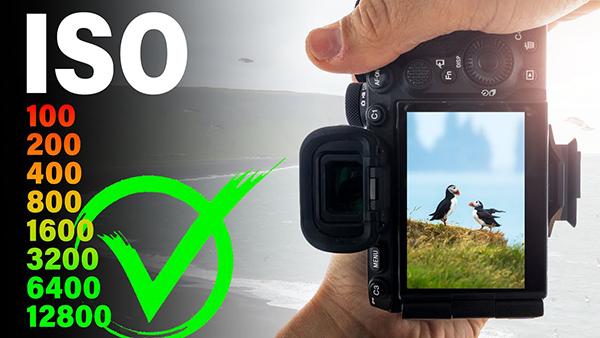
There are a bunch of misconceptions about ISO settings that can hold you back when shooting in the field. Some photographers always shoot at ISO 100 in attempt to avoid noise, while others choose the highest setting available to eliminate camera and subject movement when photographing motion.

Ron Leach  |  Sep 05, 2023

Nighttime photography can be a real challenge for a variety of reasons, not the least of which is arriving at a correct exposure. Other problems include specular highlights, color casts caused by streets lamps of varying temperature, and important subjects lurking in the shadows.

Pages

X