The history of photography and camera technology is littered with controversies about the “best” way to capture an image. For a while shooters questioned the value of autofocus, then there was a debate regarding the quality of digital images vs. those shot with film.
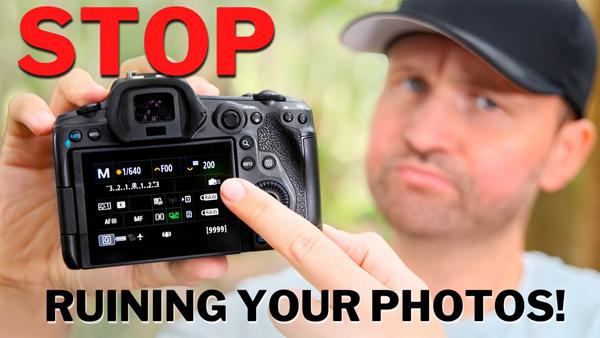
One of the first things many of us learned when first getting started is to always use the lowest ISO setting possible. While this rule may be true in certain situations, other times it can be detrimental to the images you make.
Have you ever wondered why your photos look sort of ridiculous after dropping a person or object into the scene? One common culprit is that you neglected to evaluate the light and add realistic shadows where they belong.
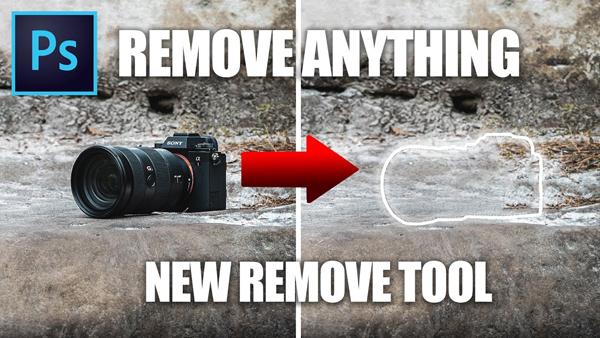
This is the second day of the week, which means it time for another great episode of “Tutorial Tuesday” from the experts at Park Cameras—one of the leading photo retailers in the UK. Today’s topic is Photoshop’s powerful new Remove tool that you’ll learn how to use to clean up your work.
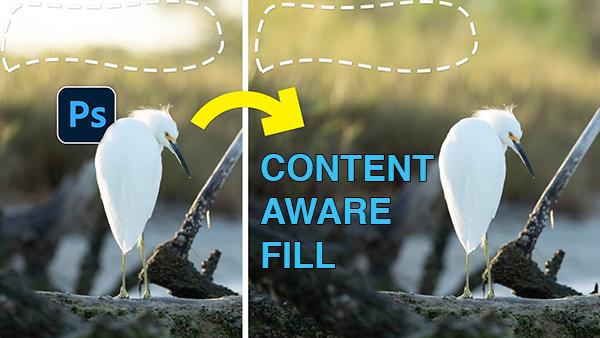
Abobe has provided photographers with exciting new features for removing distractions as Photoshop continues to evolve, and we've covered most of them in the past. But as all of us become enamored with these innovative capabilities we tend to ignored older tools that can still be very helpful.
Ever since Photoshop introduced the beta version of their new AI-based Generative Fill capability there's been a heated debate about what this means for photographers and the craft as a whole. Some folks greeted the news with excitement as a remarkable innovation, while others unabashedly say it spells doom for everyone with a camera.
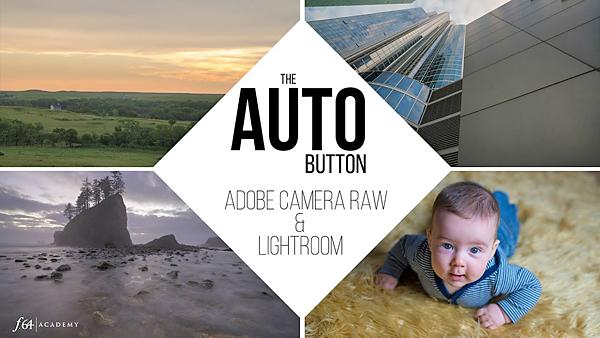
Adobe recently updated Lightroom CC and the Adobe Camera Raw plug-in for Photoshop, and one of the upgrades is a new algorithm for the “Auto” button that now employs the company’s Sensei Artificial Intelligence technology. If you’re using a version of Lightroom or Photoshop that supports this feature, you really should give it a try.
We spend a lot of time discussing why your camera's Aperture Priority mode is so powerful, and why it's the choice of many pros. But this tutorial from the Newcastle Photography College takes a contrarian view when it comes to boosting the creativity of your images.
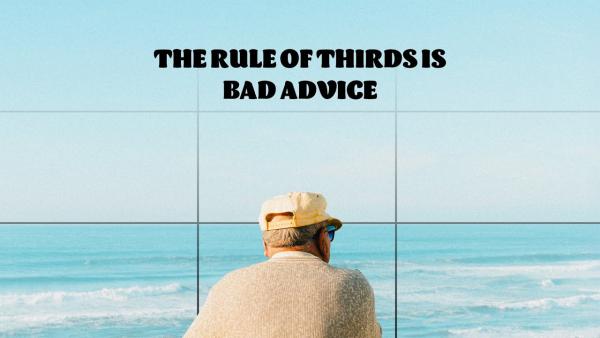
When first starting out we all faced a barrage of so-called "Rules of Photography" that supposedly would set us on the path for success. But as our skills evolved it became apparent that some of these rules we're meant to be ignored.
If you ask most landscape photographers what’s the first lens they pull out of their bag, the answer is likely to be, “my favorite wide-angle.” That’s because the perspective these lenses provide is ideal for capturing expansive vistas.