Wildlife Photography How To

Sort By: Post DateTitle Publish Date
Ron Leach  |  Jul 01, 2025

Noise reduction is a hot topic these days and we frequently bring you Photoshop and Lightroom tutorials that demonstrate various methods for addressing the problem. This tutorial from Adorama TV takes a totally different tact by exploring the actual relevance of noise reduction tools when shooting with a modern mirrorless camera or DLSR.

Ron Leach  |  Feb 07, 2025

This eye-opening tutorial falls into the category of "don't believe everything you've been told." The discussion involves several common myths regarding ISO that need to be debunked if you want to achieve optimum image quality in nature scene, landscape photos, and other images captured in the field.

Ron Leach  |  Oct 12, 2022

Last week we featured the first of a two-part beginners guide to nature and wildlife photography from expert Janine Krayer—a photographer and instructor who spends much of her time teaching workshops and photographing exotic animals in the wilds of Africa.

Ron Leach  |  Jul 25, 2024

Most of us photograph birds on occasion, regardless of our favorite genre, because these colorful and accessible subjects are just about everywhere you look—including in your own backyard. Inexperienced shooters typically concentrate on stationary subjects perched on a branch because of a common misconception that capturing birds in flight is far beyond their skills.

Ron Leach  |  May 19, 2025

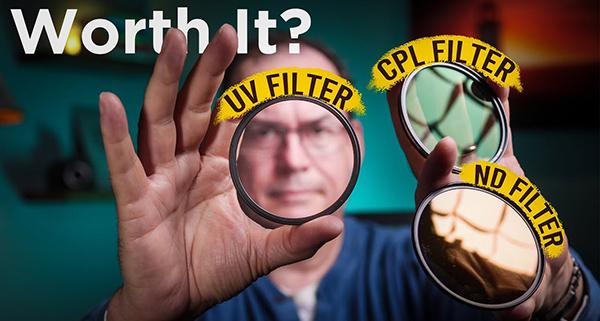
If you're not taking advantage of lens filters, this tutorial from one of our favorite instructors might just change your mind and enable you to capture outdoor photographs with a unique attention-grabbing look. These transformational accessories are among the most affordable there are and you'll learn which ones Simon d'Entremont says you should have in your bag.

Ron Leach  |  May 21, 2025

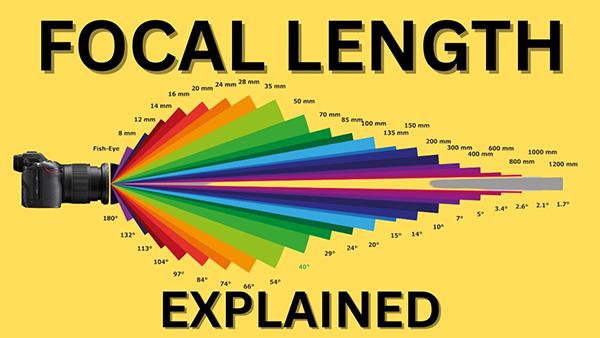
Focal length is one of the most essential concepts in photography, and a firm understanding of how it works is crucial when choosing the proper lens for a specific scene. Most photographers know that focal length determines the magnification of a subject within the frame, but there's more to consider than this.

Ron Leach  |  Sep 13, 2023

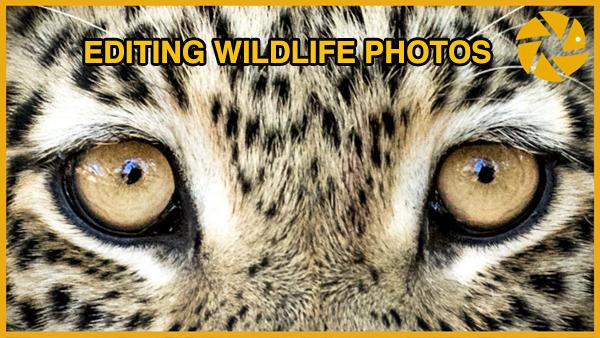
So you just spent a day photographing birds or other forms of wildlife and returned home expecting to be impressed by the images you made. But low and behold, the photos you see on the computer aren't nearly as compelling as you thought.

Ron Leach  |  Feb 03, 2021

Experienced wildlife photographers know that the power of an image often depends upon how an animal’s eyes are rendered. Out-of-focus dull eyes can really spoil an otherwise great shot, while overly brightened, sharpened eyes make the subject appear unnatural and crazy.

Stan Trzoniec  |  Jan 28, 2014  |  First Published: Dec 01, 2013
When photographing animals on an African safari, sharp photos are a gift to bring home and it all centers on proper technique. Use the “sweet spot” on the lens; with both of my shorter lenses it was around f/5.6 or f/8. On the longer zoom, I found f/5 or f/5.6 gave me needle-sharp and distortion-free images. With the animal at rest, always put that focusing spot on the eye. On longer distances or perhaps with the animal moving, place that spot on the shoulder or flank to keep a decent depth of field throughout their length.

Rich Sheremeta  |  Jan 17, 2014  |  First Published: Feb 01, 2014

Wildlife photographers with any interest in photographing big Alaskan brown bears should certainly consider the McNeil River State Game Sanctuary, professed to have the highest concentration of large adult brown bears in the world with over 70 bears having been seen at any one time. The sanctuary is located on the Alaskan Peninsula about 100 air miles west of Homer and is only reachable by floatplane.

Rick Sheremeta  |  Jan 03, 2014  |  First Published: Nov 01, 2013

Winter is an extraordinary time in Yellowstone. Temperatures often plummet well below zero. Moisture ejected into the icy air from myriad thermal features creates a microclimate that turns into a wintry fairyland. The colder it becomes, the more pronounced these effects, and the more beautiful the surroundings become. Whether it’s wildlife, geothermal features, extraordinary scenery, or any combination thereof, Yellowstone National Park (YNP) is, hands down, one of the best places in the world to view and photograph these treasures.

Ron Leach  |  Nov 23, 2016

The BBC has just released an extended trailer for the sequel to their wildly popular Planet Earth Series. Directed by Sir David Attenborough, Planet Earth II picks up where the original 2006 series left off, and is scheduled for release in the U.S. on January 28, 2017 and will be broadcast every Saturday on BBC America.

Ron Leach  |  Sep 06, 2017

The Society of International Nature and Wildlife Photographers (SINWP) is a British organization for professional and amateur shooters devoted to capturing images of the natural world. SINWP holds monthly competitions for their members, and the striking shots you see here are the winners of the group’s August Wonders of Wildlife contest. 

Ron Leach  |  Dec 07, 2016

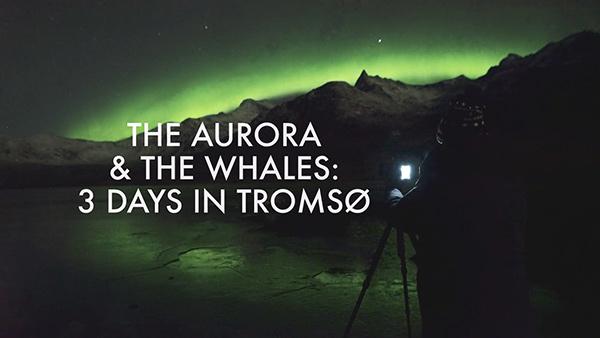
Renowned British filmmaker/photographer Philip Bloom is known for cinematic images that tell a story. He recently spent three days in northern Norway making this beautiful 4K video of Orca whales and the Aurora Borealis.

Ron Leach  |  Jul 25, 2023

If you were taught to always shoot at the lowest ISO setting possible, join the club. But as you'll see in the enlightening tutorial below, this is one of those "rules of photography" that's meant to be ignored.

Pages

X