One of the hardest things for beginners to understand in landscape photography is picking the right aperture. The main reason aperture selection is so confusing for newbies is that there are two schools of thought when it comes to composition, landscape pro Mark Denney explains in the below video.
There are various file formats for saving images, and more than a bit of confusion regarding which one to use. And while everyone seems to have their own process, some choices can be detrimental to layered images and your workflow in general.
Boudoir photography pro Critsey Rowe likes to challenge herself on assignments because it brings out the best in her and her photos. It can also help make the next shoot easier because she's bound to learn a few things about how to streamline her boudoir photography workflow and increase efficiency.
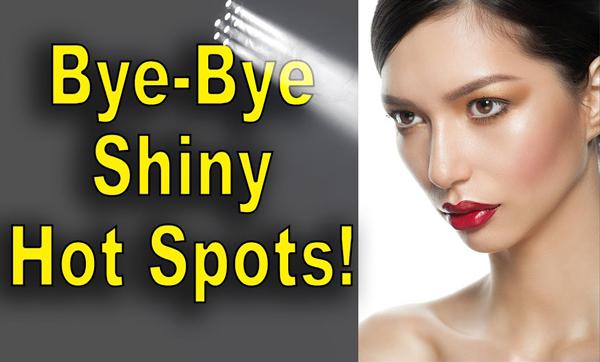
One way to really mess up an otherwise nice portrait is to get the lighting wrong and end up with shiny hot spots on a model’s face. But if you make that mistake, never fear, because one of our favorite image-editing experts comes to the rescue with a Lightroom quick fix below.
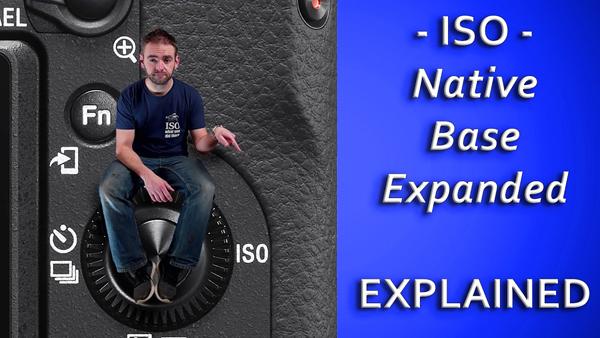
ISO is a very important concept and makes up one side of the Exposure Triangle; the other two being aperture and shutter speed. These three variables interact to arrive at a correct exposure.
Everyone who has done a lot of shooting knows that some images just look better in black and white. And that includes certain portraits and street photos as well as different types of landscape imagery.
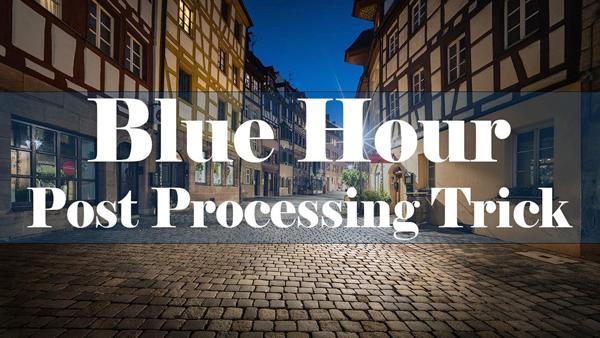
Everyone knows that “blue hour” is a great time for photography; whether you’re shooting cityscapes, travel images, or other types of outdoor photos. Typically lasting 20-30 minutes, blue hour is that magical time immediately after sunset or just before sunrise. The exact timing of blue hour varies by location, and changes depending upon the time of year.
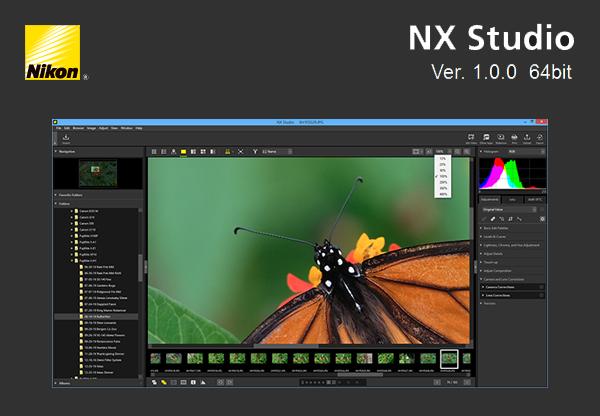
Nikon just released NX Studio, a new all-in-one software application that integrates functions from Nikon ViewNX-i and Nikon Capture NX-D. It’s available as a free download and you don’t have to shoot with Nikon to use it.
After shooting with Nikon’s extraordinary AF-S Nikkor 180-400mm f/4E TC1.4 FL ED VR lens last year I wondered what their next telephoto zoom lens would be. We didn’t have to wait long, because hiding in the wings was the fast and powerful Nikkor AF-S 120-300mm f/2.8E FL ED SR VR.