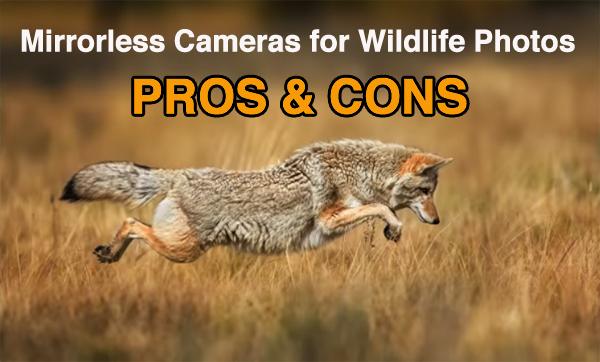
If you’re a wildlife photographer thinking about ditching your favorite DSLR in favor of a mirrorless camera, this video is for you. Before making the switch, see what this pro says are the pros, cons, and compromises.
Yesterday we debunked a popular myth that shooting in Manual mode is the only way to capture great images. Today we're going that route again by addressing the conventional wisdom that Raw files are always better than Jpegs.
Nothing spoils an otherwise great shot more than failing to achieve precise focus. You can compose a scene properly, nail exposure, and capture beautiful colors, but if the image is soft all is for naught.
Some photographers think all that’s involved is a decision to frame a scene in either a vertical or horizontal orientation. But as you’ll see in the tutorial below, there’s much more that factors into the equation. One is creative cropping, and another is whether to modify the native aspect ratio of the camera you use—which varies from one model to another.
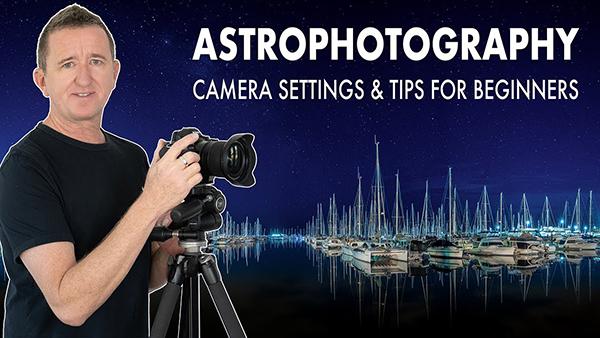
You've probably admired photos of the nighttime skies and the Milky Way, and thought these amazing images required specialized equipment and were beyond your skills. But guess what, this is a misconception as you'll see in this beginners guide from our friends at the Photo Genius YouTube channel.
Today we're taking a close look at why one of our favorite instructors insists that "Auto ISO is the secret tool for better exposure in any light." While everyone is familiar with this mode, Hamed explains that the secret nature of the oft-ignored setting is than many folks fail to understand all of its benefits and how to them to use.
Fast and precise focus is a primary goal of all photographers regardless of the type of images they shoot. Today's your lucky if back-button focus isn't part of your repertoire, because this tutorial from First Choice Photo will bring you up to speed on this game-changing technique in the next 13 minutes.
Every new photographer is forced to confront a bewildering array of unfamiliar terminology from camera settings, features like exposure control, and physical buttons, to odd-sounding technical methods and post-processing nomenclature. So pull up a chair and let's get you up to speed.
The megapixel race shows no signs of abating as camera manufacturers continue to promote the benefits of high-res cameras while ignoring some of the disadvantages. The result is that many shooters are think about investing in a new and expensive high-resolution monster.
Setting your camera's autofocus mode correctly for the specific task at hand can make all the difference between a failed, blurry shot and a sharp attention-grabbing image. If you're usure which AF mode to when, the follow beginners guide will get you up to speed in a hurry.
If you're struggling with blurry images or unreliable focus, it may be because you never turn to the Manual Focus setting on your camera whenever AF fails. We're going to change all that today with this comprehensive beginners guide designed for those who don't understand how MF works.
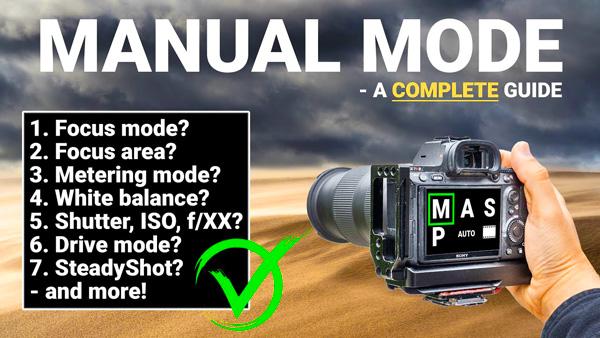
You’ve probably heard the silly adage that “If the mode dial on your camera isn’t set to ‘M’ you’re not a real photographer.” While most pros would disagree, there are clearly advantages to choosing camera settings yourself.
If you’re tired of hearing photo purists claim that, “you’re not a real photographer unless you shoot in Manual,” join the club. That’s simply a lot of bunk, as numerous pros of all genres regularly shoot very effectively in Aperture or Shutter Priority modes.
We've been exploring a variety of exposure modes over the past month, explaining the benefits of Shutter Priority for avoiding camera and subject movement, how to use Scene modes in unfamiliar situations, and why one pro says, "Forget Manual Mode and use Priority instead."
There's a lot to digest if you're just getting started in photography, including camera-setting terms, basic concepts, and other important nomenclate that's essential to understand. The quick explainer below from photographer Ed Verosky clears up all the confusion so you can evolve your skills with confidence.