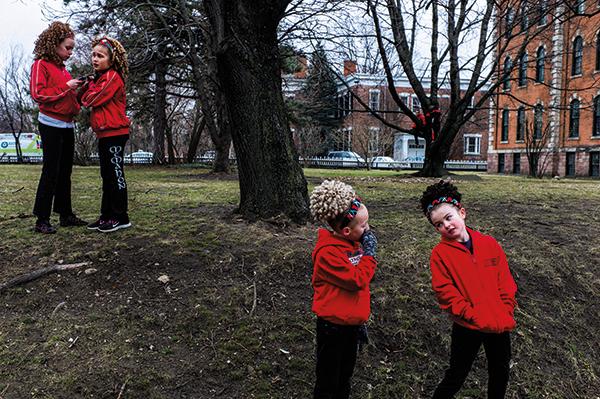
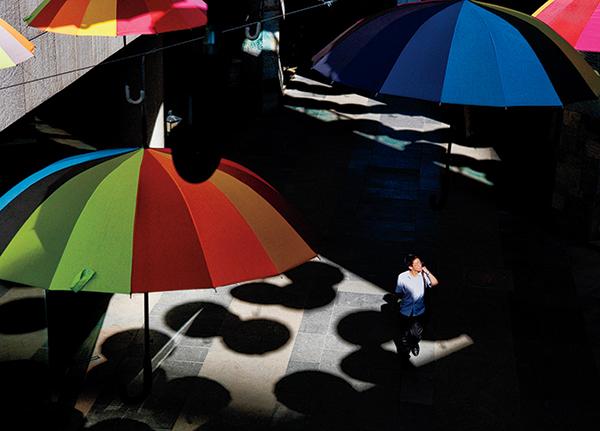
Documentary photography, street photography, photojournalism, news photography, the photo essay—at their best, each records moments in time where man, nature, or machine impacts the surrounding universe. Centered in Rochester, New York, George Eastman, the man, and Eastman Kodak, the company, changed the universe around them as they rose to prominence. And when Eastman Kodak fell, a tidal wave broke on the shoulders of a city and its people.
I travel to take pictures, but sometimes I just happen to be in an interesting area, like last spring in Lexington, Kentucky. Let’s see: Lexington, horse country, the Keeneland racetrack nearby, and me never without my camera gear. Photography was bound to happen.
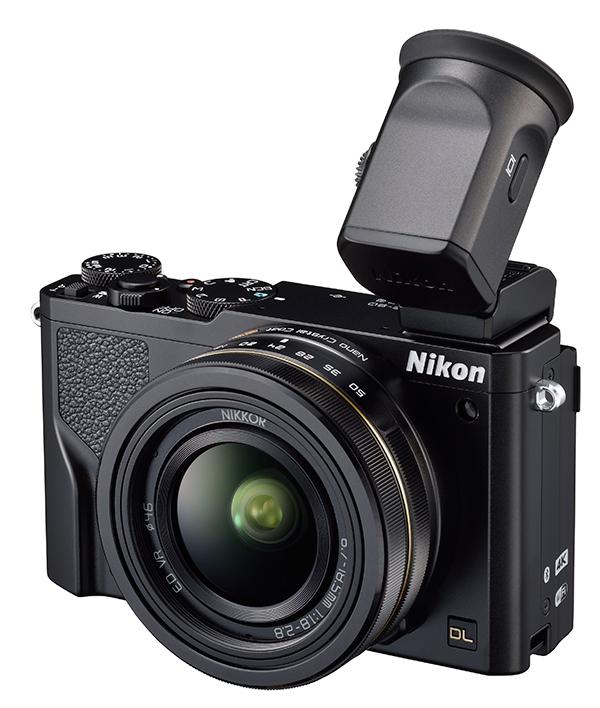
Nikon just announced a brand new palm-sized, premium camera line with some classic Nikkor lens features. Called the DL series, the cameras include the DL24-85, DL18-50 and DL24-500 models, which combine Nikkor optics with large 20.8-megapixel (CX-format) 1-inch BSI CMOS sensors.
Tamron unveiled another new lens this morning: the SP 90mm F/2.8 Di VC USD 1:1 MACRO (Model F017). The new SP 90mm F/2.8 Di VC USD 1:1 MACRO (Model F017) is the follow-up to the Tamron 90mm f/2.8 Di Macro from 2012, and has been updated with several key features.
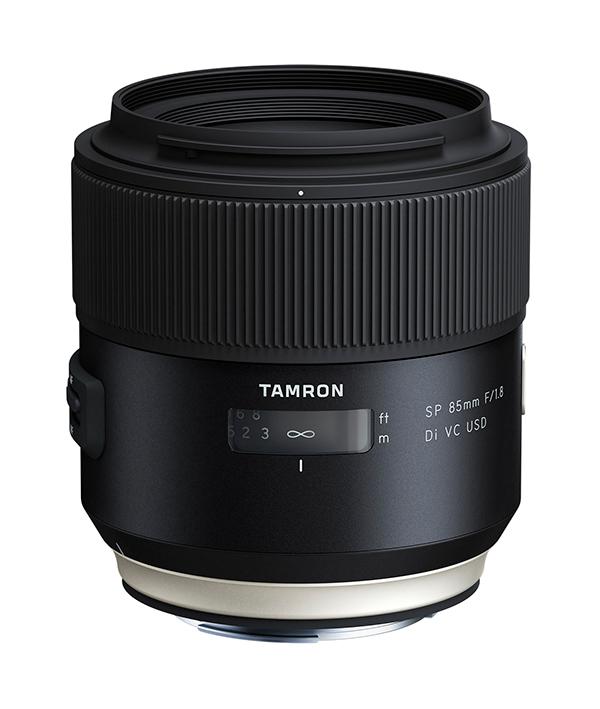
Tamron announced the new SP 85mm F/1.8 Di VC USD (Model F016) lens this morning, which the company is calling “the world’s first fast aperture telephoto lens with VC (Vibration Compensation).”
There’s no question that digital printmaking equipment, ink, and paper has undergone steady improvement over the years. Gone are the days of excessive dry-down effects and color shifts, poor paper feed mechanisms, and complicated setups. The debate over silver vs. inkjet image resonance and quality is seldom heard anymore, and we’re at the point now where the precision and ease of use of printers, the amazing selection of papers and “substrates” (things you can print on), and the fact that getting WYSIWYG results does not need an advanced degree in color science all make producing really good prints accessible to all.
It is true that documentary photography dates back to the Civil War but most photo history textbooks credit the era of the 1930s to the 1950s when photographers such as Robert Capa, Margaret Bourke-White, Dorothea Lange, Henri Cartier-Bresson, and Alfred Eisenstaedt raised the public awareness of photojournalism and became famous for their magazine and newspaper work.
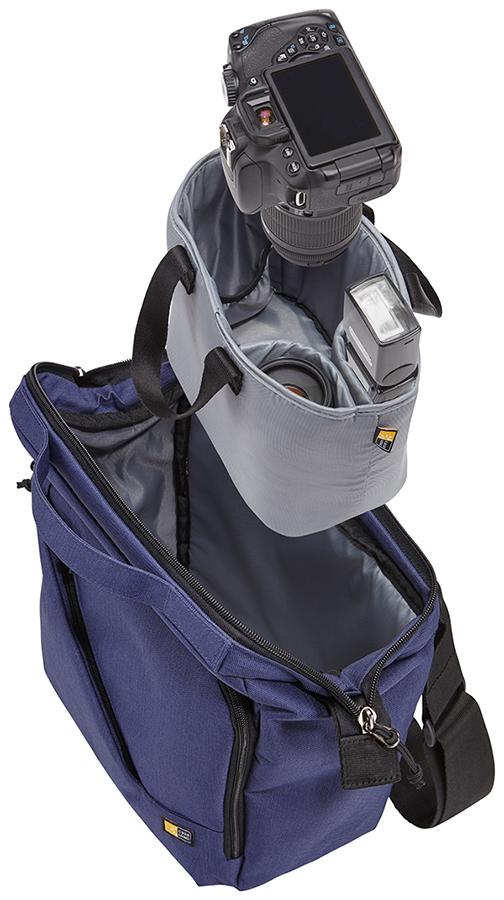
I found a lot to like in this stylish new shoulder bag—and a few nits to pick, too. So which is it? Beauty or the Beast? Read on and form your own conclusion.
Our Shutterbug Photo of the Day by Scott Brenner reveals how the light of the setting sun transforms a waterfall into a flow of molten gold cascading down the rugged face of the cliff.