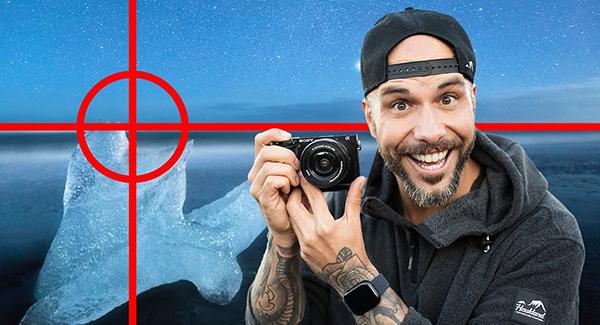
Today's quick tutorial from German pro Benjamin Jaworskyj explains what he considers to be the most effective composition techniques for inexperienced photographers, and he kicks off the lesson with this promise: "You'll learn how use lines, balance, depth, and perspective to transform your images from average to awesome."
Lightroom's Contrast slider is the most frequently used tool for editing images than can benefit from a boost in contrast but, unfortunately, this approach provides far less control than the other methods you'll learn today by watching this tutorial from the popular PHLOG Photography YouTube channel.
All cameras feature a selection of Drive Modes, whether your weapon of choice is a DSLR, mirrorless model, or a full-featured compact. Choosing the appropriate setting for the task at hand will simplify a shoot and increase your odds of success.
It's time for some belated spring cleaning if you waste time struggling with a disorganized Lightroom catalog that's difficult navigate. If you've skipped this one-time housekeeping task because it requires a bit of thought and effort, think about all the frustration you'll avoid by having all your images at your fingertips in logical folders where they're easy to find.
Overexposed images are the bane of outdoor photographers when shooting in complicated, mixed light, and even professional shooters like today's instructor gets thing wrong on occasion. You'll learn how to correct this common problem in the Lightroom tutorial below from the Photo Feaver YouTube channel.
Travel photography is an interesting genre that borrows techniques from street photography and portraiture, along with best practices for capturing landscape and seascape imagery. Yet, we often do things a bit differently, because there's the added goal of documenting a trip with memorable moments that tell a story.
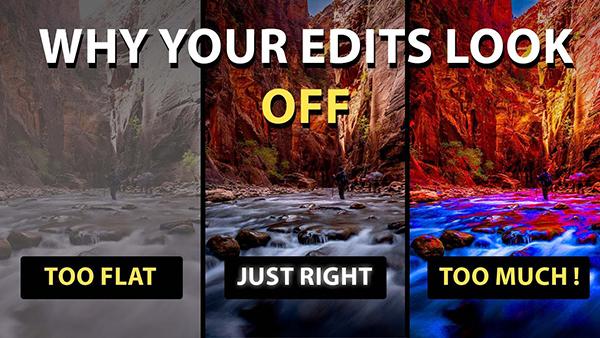
We all face a difficult compromise when processing our photos: When edits are insufficient, photos will appear flat and uninspiring, while a heavy-handed approach results in overcooked results that have no relationship to reality.
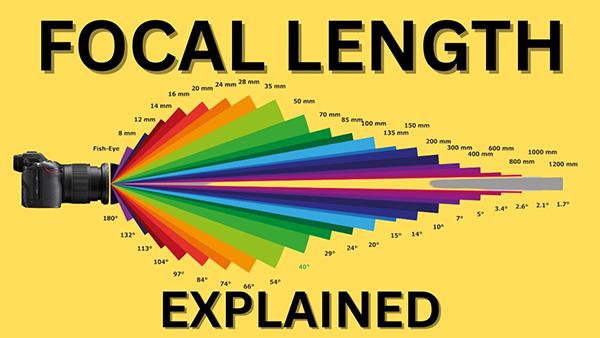
Focal length is one of the most essential concepts in photography, and a firm understanding of how it works is crucial when choosing the proper lens for a specific scene. Most photographers know that focal length determines the magnification of a subject within the frame, but there's more to consider than this.
We've all had the misfortune of capturing a seemingly great image, only to realize later that the shot includes a distracting element, or we failed to notice someone walking through the frame. At this point, unfortunately, it's often impossible to go back for a redo.
Whenever Photoshop gets an update it's easy to concentrate on headline-grabbing features while overlooking other new and important capabilities that aren't considered as "revolutionary" but important nonetheless. Today's eye-opening tutorial from Adobe expert Julieanne Kost reveals 10 recent upgrades that are deserving of note.