There are numerous so-called "rules" of photography, and one of the most common is to always shoot at ISO 100 whenever possible. This notion is particularly prevalent among landscape photographers who strive for optimum image quality and the maximum amount of detail in every image they shoot.
This tutorial is for those of you who've marveled at spectacular star trail images of the nighttime sky but thought this unique style of landscape photography was beyond your skills. Today you'll learn how to get the job done with the gear you already own.
Yesterday we debunked a popular myth that shooting in Manual mode is the only way to capture great images. Today we're going that route again by addressing the conventional wisdom that Raw files are always better than Jpegs.
We've all had the misfortune of returning from a shoot, only to discover that our "great" images are soft and unfocused. This problem can be overlooked if it's extremely rare, but if it happens consistently there are a few problems that must be resolved.
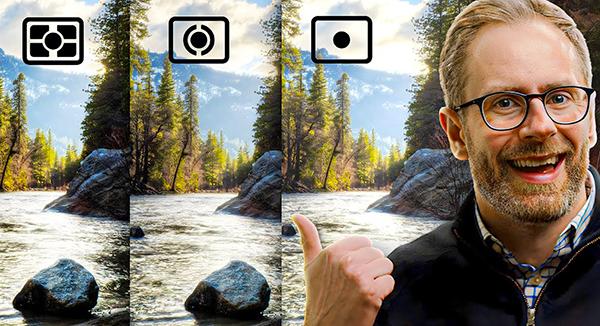
Matrix Metering? Evaluative metering? Center-Weighted metering? Spot Metering? All these options are enough to make one's head spin, especially if you're an inexperienced photographer. This tutorial from the Photography Explained YouTube channel clears up all the confusion so you'll understand which metering mode to use when.
Earlier this month we discussed five ways to boost autofocus with whatever gear you own. Today's tutorial from Great Big Photography World (GBPW) takes a look at one specific camera setting that will deliver the best possible results in a variety of situations.
The Tamron 18-300mm zoom has already made its bones in the Sony E (APS-C) mount. But how about the Fujifilm X version? Is it truly "Everything in one?" Here we test it on a Fujifilm X-T5.
The world of photography offers a wide array of camera systems, each designed to cater to different needs and budgets. And one of the key considerations is choosing a model with a sensor size that works best for your style of photography.
Leica just introduced the D-Lux 8, a 17-megapixel Micro 4/3rds format, advanced compact mirrorless camera with a 3.1X (24-75mm equivalent) zoom and an abundant helping of DNA from the Panasonic LX100 II which was introduced a full 6 years ago and subsequently discontinued. Shutterbug had the opportunity to exercise the D-Lux 8 for a few days before its official introduction. Here is our hands-on appraisal.
All modern cameras offer a variety of metering modes, like Evaluative, Spot, and Average, and some photographers make a huge mistake by thinking that the option they choose is a set-it-and-forget-it decision. In fact, the mode that works best in one situation may spell doom in another.
Photographers often struggle to consistently attain fast and precise focus, sometimes getting it right while failing on other occasions. If that sounds like you, todays tutorial will set you free by demonstrating a pro technique that that's easy enough for anyone to employ .
When photographers use the term "workflow" they're usually referring to the process they use when editing their photos, but there's another essential workflow to consider that doesn’t get as much attention. And that's the shooting workflow that relies upon key camera settings to capture the best possible images in the field.
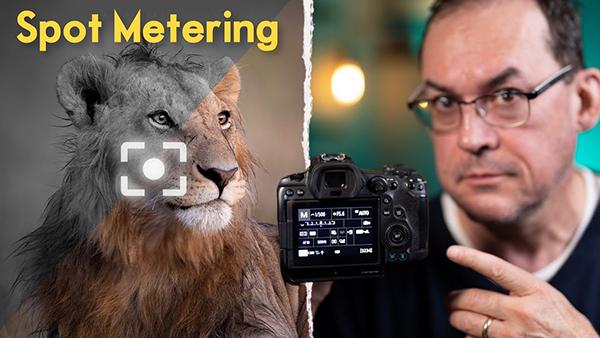
This quick tutorial from photographer Simon d'Entremont begins with a question: "Have you either wondered how spot metering works in your camera, or tried it and got inconsistent results like blown highlights or crushed shadows? If so, you've come to the right place.
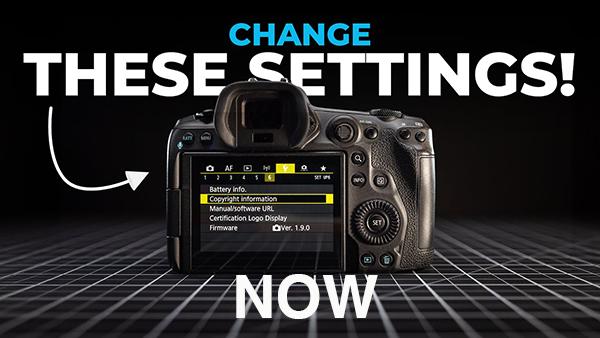
Whether you own a new mirrorless camera or shoot with a long-time friend, choosing the best settings for your style of photography is one key to achieving optimum results. If you're thinking to yourself, "I've already configured my camera properly," think again because there may be a few oft-ignored camera settings that you should at least try out.
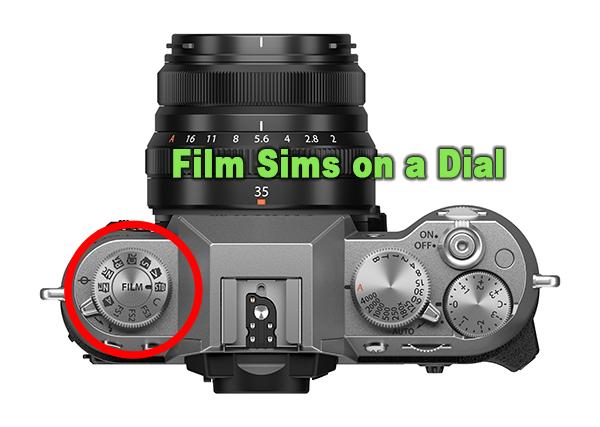
Fujifilm announced new products in both the FX and GFX series, doubling down on their commitment to Film Simulation expansion and large-sensor digital photography.