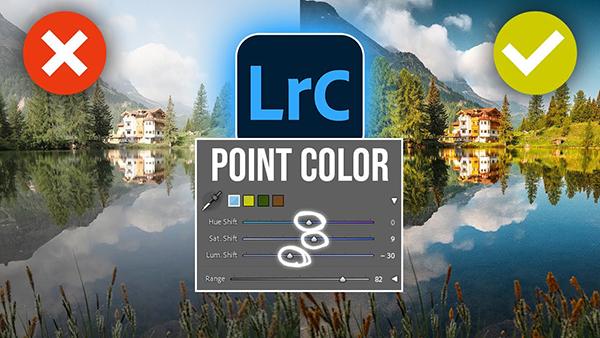
If you're unfamiliar with Lightroom's powerful Point Color tool, this comprehensive beginners guide from the PHLOG Photography YouTube channel will set you straight. In barely 10 minutes you'll learn how to expand your workflow by gaining full control of the colors in your images.
Canadian photographer Davey Gravy has completed an exhaustive review of hundreds of mobile apps for capturing both stills and videos. He first narrowed down the choices to 50, and today he presents what he says are the top six of the bunch.
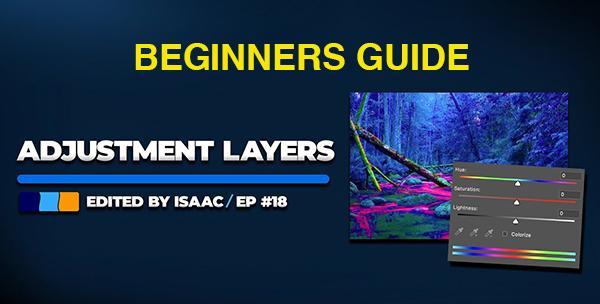
If you're new to post-processing and shy away from employing adjustment layers you're in for a big surprise. That's because these transformational tools are much easier to apply than you think. We'll bring you up to speed in the next four minutes and your workflow will instantly improve.
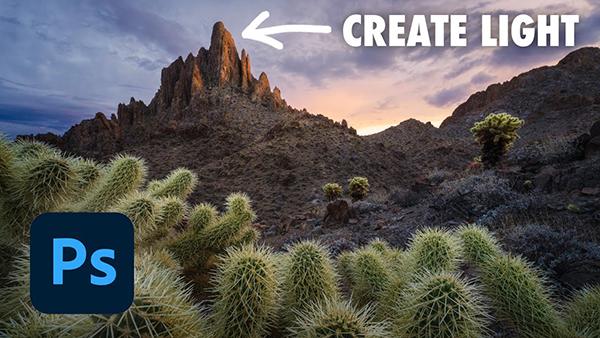
This is another of our "fix-it-don't trash-it" post-processing tutorials than can quickly turn an unimpressive outdoor photograph into a spell-binding image that really grabs attention. In the video below you'll learn how to introduce natural-looking light to photos that don't quite make the grade.
The technique known as Expose to the Right (ETTR) can make a huge difference in the images you capture in Raw, but this method is frequently misunderstood and can lead to compromised results if you take the wrong approach.
Today's six-minute tutorial from VerticDesigns demonstrates Photoshop's amazing new AI Generative Upscaler that quickly transforms enlarged photos from pixelated to perfect like never before. It's a must-watch video whether you’re a beginner or a more experienced user.
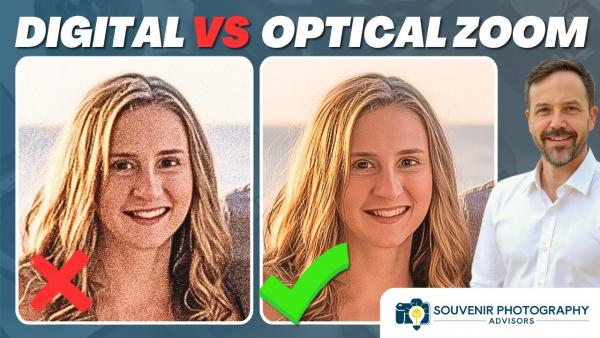
Many of today's modern cameras enable you to determine the maximum reach of their lenses, whether you're shooting with a smartphone, pocketable compact, or mirrorless model. And understanding what the two options mean, and how they work, will have a significant impact on the ultimate image quality you receive.
British photographer and imaging-editing specialist James Feaver kicks off today's eye-opening explainer like this: "One of the things I really struggled with when I started my photography journey was white balance. I would spend hours changing the color temperature and tint and I just never was happy with the results."
Everyone loves their pets and consider them part of the family, so it’s surprising that some photographer (who should know better) limit their images of these faithful friends to what could best be described as casual snapshots.
If you want to expand your repertoire by trying something different, in-camera multiple exposures is a great place to start, and this 10-minute tutorial from the Hamed Photography YouTube channel walks you through a step-by-step workflow that can be easily accomplished by beginners and experienced shooters alike.
Are you tied of spending hours tweaking sliders or relying upon presets that rarely seem appropriate for the specific task at hand? If so, this straightforward Lightroom tutorial is guaranteed to save you serious time whether you're editing Golden-Hour mountains, misty forests, or unimpressive skies that are lacking in drama.
If you're unfamiliar with the term "clipping" it's time we brought you up to speed and revealed how easy it can be to prevent this common occurrence from spoiling the quality of images you shoot in the field. Today's concise explainer from the Souvenir Photo Pros YouTube channel explains everything you need to know in two minutes flat.
We're all looking for ways to capture attention-grabbing outdoor photos that stand out from the crowd, while keeping things looking natural. The Lightroom workflow illustrated below is a lot of fun because it involves experimenting with stylizing your images until you discover a signature look that's easy to replicate in the future.
If you're interested in giving boudoir photography a try, the first step is understanding how to pose inexperienced models like a spouse, significant other, or a friend who wants to give it a try. You can also keep things simple by shooting with natural illumination, like light streaming through a window in your home.
One of the biggest challenges when shooting in the field under difficult light is nailing exposure in scenes with a wide range of tones, which is why your landscape photos may appear too dark or overly bright with crushed shadows or blown-out highlights.