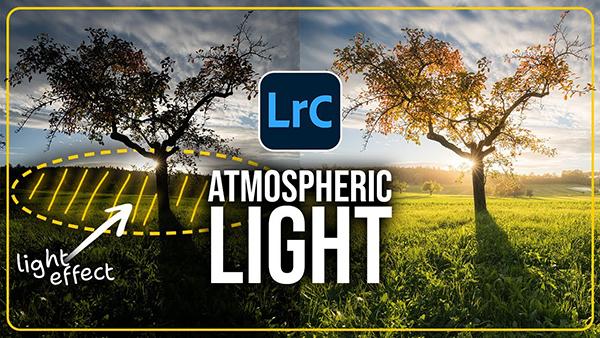
We all look forward to those "perfect" days in the field when we're greeted by beautiful light, eye-catching blue skies with billowing clouds, and an enchanting scene with interesting depth and dimension throughout the frame.
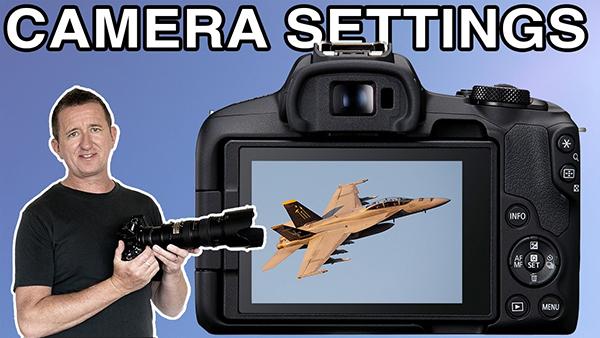
Capturing sharp well-composed photos of fast-moving subjects can be a difficult task for seasoned photographers, and if you're new to the game this challenge may seem particularly daunting. But fear not because we'll greatly simplify the process with this succinct tutorial from the popular Photo Genius YouTube channel.
We're wrapping up the week with a rant by Australian landscape photographer Steve Arnold who laments the fact that, in his mind, Photoshop's best editing techniques are the most difficult to use. As he says, "Adobe keeps adding new features that nobody really needs, while folks ignore beneficial tools because they're not easy enough to use."
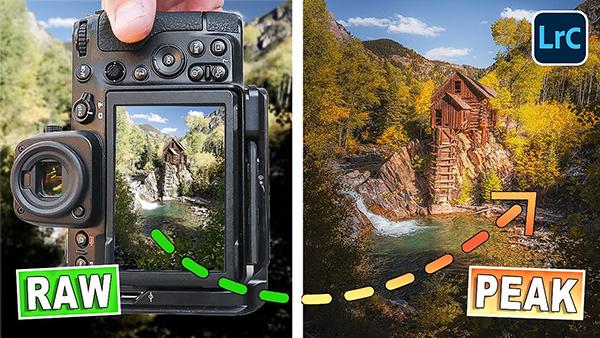
Autumn is finally here and with the change of seasons come a myriad of opportunities for breathtaking landscape photos. Today's video demonstrates a straightforward Lightroom workflow for enhancing your images so they faithfully reproduce the vivid colors and tonal balance you witnessed through the viewfinder.
Today we're exploring a common culprit for disappointing landscape photos with blown-out skies and other key elements that are far brighter than the rest of a scene. The solution has to do with the fact that many photographers never take time to explore the obscure options buried in their camera's menu.
Beautiful flowers offer abundant opportunities for eye-catching images, even if you specialize in other genres of photography, and these colorful subjects are readily available at local parks, nearby arboretums, nature centers, and even in the comfort of your backyard.
Whenever Adobe updates their software it seems as though one or two new headline features grab all the attention, while other second-tier tools and capabilities don't get the credit they deserve. Today's eye-opening tutorial with one of the world's foremost post-processing experts reveals six of these lesser-known upgrades you don't want to overlook because they can make your workflow faster, easier, and more creative.
Today's video tutorial from the PHLOG Photography YouTube channel demonstrates the power of Lightroom's recently introduced Landscape Selection mask that represents a big leap in functionality and precision. As you'll see, this new feature will transform image quality, and it's super easy to use.
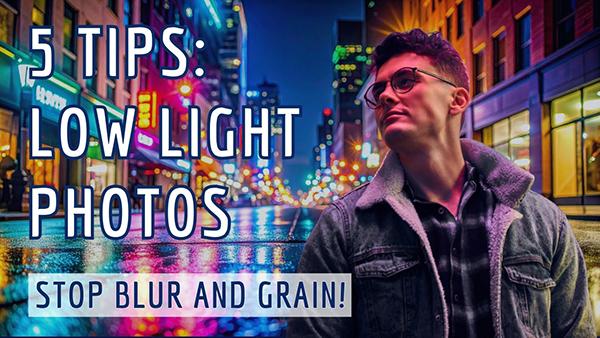
Low-light photography can be quite a challenge whether you're shooting in the field or indoors in a dim room with available light. Today's quick tutorial with Anthony Crothers is for those of you who are struggling with blurry, grainy photos in situations with less-than-ideal illumination.
Most photographers are at least tangentially aware of the benefits of shooting Raw to maximize image quality and provide enhanced post-processing flexibility. But what if you prefer to keep things simple, never make large prints, and typically display your image online? In other words, what are your options for shooting and editing Jpeg files for optimum results?
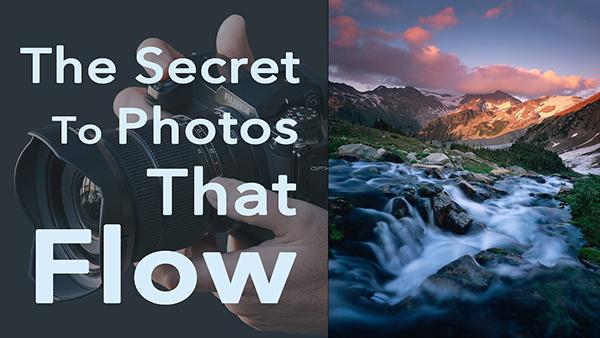
Have you ever noticed that your best outdoor images feel alive and connected, while others lack impact and you're not quite sure why? According to Canadian pro Adam Gibbs, the game-changing solution may be as simple as composing with "flow."
Nature and wildlife photographers often confront situations in which their longest lens simply isn't powerful enough to get up close and personal on distant subjects. Super telephotos can be prohibitively expensive but there's a reasonably affordable way to boost magnification without breaking the bank, and that's taking advantage of a high-quality teleconverter—otherwise known as a "lens extender."
Every new photographer is forced to confront a bewildering array of unfamiliar terminology from camera settings, features like exposure control, and physical buttons, to odd-sounding technical methods and post-processing nomenclature. So pull up a chair and let's get you up to speed.
Are you struggling with soft, blurry photos even though you've invested in great glass? Before you blame the camera and invest in a new one, be sure to pay close attention to this eye-opening tutorial from internationally acclaimed wildlife photographer Ejaz Kahn.
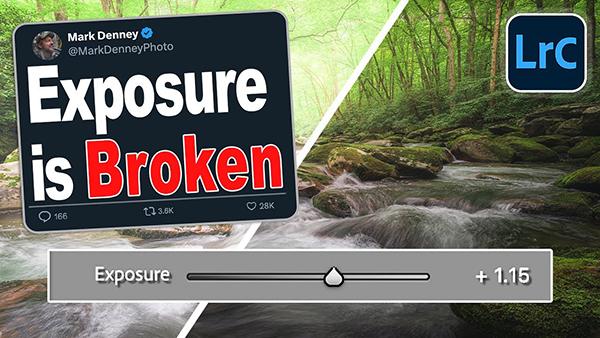
How's this for a bold statement: "Lightroom is lying about exposure." So says highly acclaimed landscape photographer Mark Denney. He's also a post-processing expert, so it pays to listen closely when he makes such an emphatic claim and provides a straightforward fix.