Inexperienced Lightroom and Photoshop users often concentrate on sharpening and exposure adjustments while ignoring the task of enhancing colors because they fail to understand how color grading works. If this describes the workflow you use, today's beginners guide is exactly what you need.
Professional photographers spend years studying, practicing, and refining their shooting and editing techniques before really hitting their stride, and this video from an accomplished pro is intended to shorten your learning curve by revealing five "huge mistakes" made by self-taught shooters.
The most common practice among many inexperienced Lightroom users is to start with the Basic adjustment and Tone Curve tools. And some photographers only take one approach or the other because of a misconception that they both do the same thing.The most common practice among many inexperienced Lightroom users is to start with the Basic adjustment and Tone Curve tools. And some photographers only take one approach or the other because of a misconception that they both do the same thing.
It's a dead giveaway that you're new to post-processing if the images you edit are oversaturated because you took a heavy-handed approach with one of Lightroom's most overused tools. By doing so you just spoiled an otherwise great shot because it no longer appears realistic.
If you've ever photographed a spectacular rainbow and were disenchanted with the results, well, join the club. This seemingly straightforward task is actually quite challenging because of how White Balance works against you. Fortunately, there's a straightforward workflow that will quickly transform a ho-hum image into something super special.
Instructor Andy Parkinson is a National Geographic photographer and Nikon Ambassador who has traveled the world to capture stunning imagery under just about every lightning condition imaginable. He's also very generous about sharing the secrets to his amazing work that have earned him over 130 domestic and international awards.
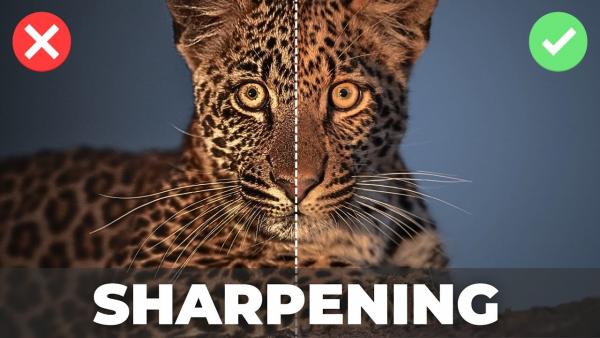
There are several ways to sharpen photos during post processing, and some common methods are just plain wrong. This video demonstrates a "foolproof" technique for making the sharpest images possible while explaining several essential considerations that Photoshop and Lightroom users of all skill levels should know.
Remember that macro lens you stashed in the back of your camera cabinet at the end of summer? Well, there's a lot more to closeup photography than photographing spring buds and the flowers and insects that emerge later.
This quick video from the Photo Genius YouTube channel tackles the issue of "wonky" leaning buildings that often detract from cityscapes and other outdoor scenes with structures (or tall trees) that appear to lean back away from the camera.
Inexperienced photographers typically strive for maximum sharpness from foreground to background in every image they shoot. A more sophisticated approach often involves strategically adding lens blur to accentuate a key subject within frame. And you'll learn an effective way to do exactly that in this tutorial from the Park Cameras YouTube channel.
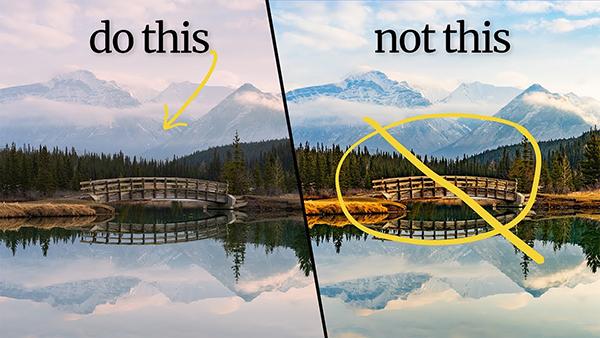
An overriding concern when editing photos is the necessity of employing the right tools and adjustments that result in a realistic look, because taking a heavy-handed approach or employing incorrect techniques can actually make our originals look worse. In other words, you're just wasting your time.
The megapixel race shows no signs of abating as camera manufacturers continue to promote the benefits of high-res cameras while ignoring some of the disadvantages. The result is that many shooters are think about investing in a new and expensive high-resolution monster.
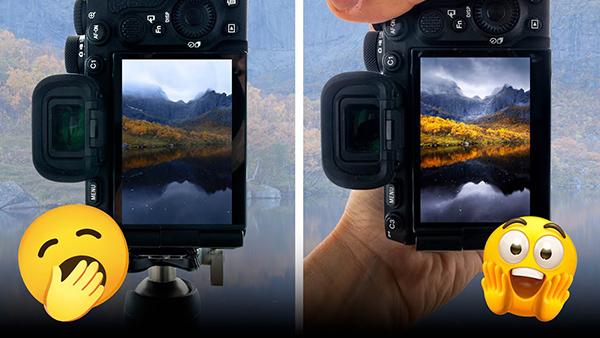
There are several reasons why your outdoor photographs may be far less compelling than possible. Perhaps your images lack uniqueness and don't stand out from the crowd. Or maybe they're short on impact for reasons that are easy to correct by changing the approach you take in the field.
White balance can make or break a photo because this important attribute enables you to imbue a scene with a variety of feelings and moods. Do things right and you'll have broad control over a variety of appealing effects. The problem is that an incorrect approach may result in photos that appear unrealistic or totally fake.
If we asked you to name the "one concept that 99% of photographers get wrong," it's doubtful that contrast is the first thing that comes to mind. According to photographer James Parsons, however, this is a critical element that should never be ignored.