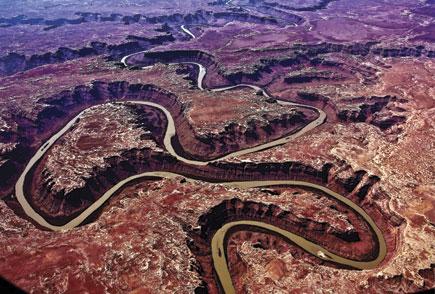
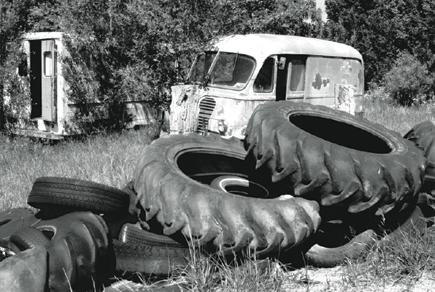
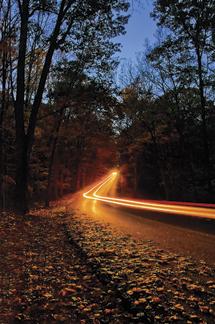
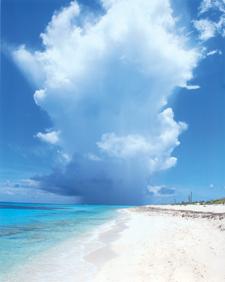
Composition dictates that we place a frame around the world before us. The lens we use, the depth-of-field effect we choose, and most importantly the elements of the scene we choose to include and exclude make up the final image. There are numerous compositional gambits, including sense of scale, where we include familiar elements in a scene to help establish size, distance, and, metaphorically, our sense of importance, or lack of same, of the object or subject used to establish that sense of scale.
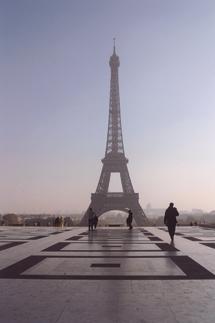
Our Picture This! assignment this month was “Silhouette,” using exposure and composition to create an iconic form within the frame. The exposure technique involves choosing a brightly lit background, making a reading of that value and then having the form, or subject, sit between you and the light source. Readers responded with a host of subjects ranging from sculptural figures to wildlife to natural forms. We were excited by the many great images we received and choosing from among them was one of our toughest editing assignments yet.
There are a couple of things about telephoto lenses that make them unique. First, and most obvious, is the ability to bring distant objects closer than working with a “normal” lens. Second, and the subject of this month’s Picture This! assignment, is a visual effect known as “stacking,” making subjects that sit at a distance from one another appear closer together, sometimes in an almost surreal way. We asked readers this month to send us examples of this effect, and responses ranged from nature to crowds to perhaps the most popular topic, architecture in urban centers. As you can see, there’s more to working with long teles than at first meets the eye.
Our Picture This! assignment this month was “Things Are Looking Up” and readers responded with a great variety of images with a skyward point of view. Many were architectural studies, and the fascinating compositions we received transformed the spaces in which we work, visit, and live. The abstraction engendered by taking a new point of view was certainly visually rewarding in all the entries we saw. It reminded us that some of the best images we can make are those that are made by looking anywhere but straight ahead, and we think when you look at the images below you’ll agree.
Our Picture This! assignment this month was “Water Reflections,” and readers sent in a wide variety of images ranging from abstract to actual, with every shot showing the magical quality that happens when water and light interact. Often, images of reflections display the border between the real and the fanciful, and as the wind blows those borders become even less defined. In all, the images are a celebration of light and the fluid nature of perception. (Note: You have the option to view this page upside down as well, as many of the shots take on a whole other meaning when viewed that way.)
Our Picture This! assignment this month was “Art Filters,” those in-camera special effects processing scripts that seem to be all the rage in cameras these days. Rather than have users spend time with computer software these days, camera makers are incorporating some interesting tricks into their imageware. You can think of them as subsets of Scene modes, as shortcuts, as fun filters, or as preprogrammed image processing effects that go right from camera to memory card. Readers responded with a host of images that display many of the “art” options and special effects available today.