


- REVIEWS
Camera Reviews 
More Reviews Mobile Reviews Photography Reviews - GALLERIES
- VIDEOS
- BUYER'S GUIDES

Photographing Landscapes
 Beautiful scenic views rank among our most popular subjects to photograph, but surprisingly, they can be one of the most challenging subjects to capture on film or a memory card. The human eye perceives a scene differently than the camera does--we tend to see selectively, while the camera lens simply takes it all in. Also, there are elements that add to our experience that can't be captured in an image; the sound of a babbling brook or the scent of fresh pine, for example.
Many people return from their travels to find that their landscape photos don't measure up to the beauty they experienced. So how can you capture the grandeur of a scenic spot--and bring back memories of being there--in a two-dimensional photo? You can do it, even without a lot of expensive camera gear.
To begin with, think about what attracts you the most about the scenic spot you're visiting. It could be the lush, green colors of a forest, the power of the breaking waves on a shore, or the otherworldly rock formations at a national park in Arizona. Study the scene and find elements you want to emphasize. When you focus on particular items, you'll be more likely to eliminate distractions and simplify your compositions. Think of ways to do this: Perhaps you could take in the broad expanse of the Grand Canyon by using your camera's zoom lens at a wide-angle setting, or you can isolate one colorful leaf to illustrate the beauty of fall.

 It's usually a good idea to shoot landscapes early or late in the day, as the low sun is warmer and casts long shadows that offer depth and texture to the scene. If you can, try to find out in advance what lighting conditions are best to photograph the subject(s) you're interested in. For example, morning light best illuminates the stone presidential faces at Mount Rushmore National Monument in South Dakota, while Delicate Arch at Utah's Arches National Park takes on a warm glow when photographed from its most popular viewpoint during the late afternoon.
Before photographing a popular scenic spot, check out postcards and books to see how other photographers have shot it. You don't want to copy these images, but you'll probably get ideas on composing interesting photos of your own.
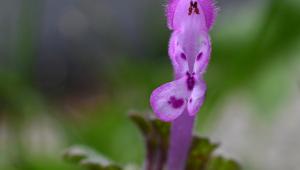
When skies are overcast and dull, it's best to eliminate the sky altogether from your compositions and concentrate on the smaller picture. Flower closeups, for example, benefit by soft, even light and greater color saturation. And don't put your camera away when the skies are cloudy. Inclement weather conditions can often yield dramatic photos, especially if shafts of sunlight break through the clouds and illuminate a scenic view.
Including a person (or several) can help the viewer's eye move through the photo. A person can also provide scale, which adds interest to a vast scenic. Avoid posing the person looking stiff and grinning in front of a monument or scenic spot. Instead, make him/her an important element in the frame by posing the person standing at the edge of a canyon looking in, or surveying a beautiful view. If you're traveling with your family or friends, you'll come back from your trip with more-memorable photos if you shoot some candids of them enjoying themselves; perhaps doing a favorite activity like swimming or hiking.
| |||||||||
|

| ||||||||
- Log in or register to post comments
















 FEATURED VIDEO


Get the Latest Photo Tips, News & Reviews from Shutterbug!






| Camera Reviews Other Reviews | |
Mobile Reviews Photography Reviews Columns | |
News | |
Features | |
How-To | |
Resources |
 © 2024 Shutterbug
AVTech Media Americas Inc., USA
All rights reserved