


- REVIEWS
Camera Reviews 
More Reviews Mobile Reviews Photography Reviews - GALLERIES
- VIDEOS
- BUYER'S GUIDES

Passport
Cruising For Images
If I try to tell you that cruise photography is hard work, you probably won't believe me. And you'd be right. It's work...but the "hard" part doesn't make it. For me it's a combination of work and pleasure, and it's work with both instant rewards and long-term benefits. In the interests of full disclosure,
I have to tell you that I often work for cruise line companies, and my
photos are used to promote their cruises. To get the photos I take the
cruises, which range from one-week trips to three weeks-plus, and I enjoy
'em. I've been shooting for cruise lines for close to 20 years,
and I've cruised all over the world, from the Greek Isles to Africa,
Europe to Asia, and of course the Caribbean. My photos are used for the
lines' brochures, ads, annual reports, and web sites. |
|||
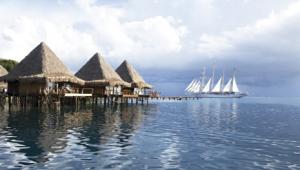
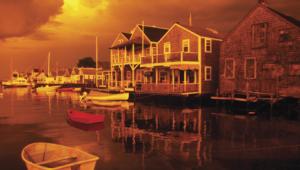
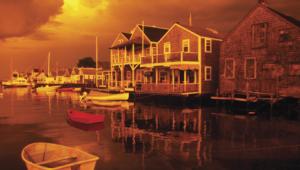
For those of you who like traveling with your camera--and for the really serious folks who wouldn't think of traveling without it--a cruise is truly an awesome way to see and photograph the world. It's travel in the lap of luxury with lots of photo opportunities in picturesque port cities. And because these cities are
prime travel destinations, you'll have access to all kinds of resources
that aid photography, like concierges, interpreters, and transportation.
Cruise travel is a golden opportunity to get great photographs. |
|||
Which is not to say that I don't take pictures of the staterooms--I do, but they are a small part of what I do. And when I photograph them, I'm especially interested in capturing the details that indicate the level of class and luxury of the cruise ship. Floating Base Cruise Gear |
|||
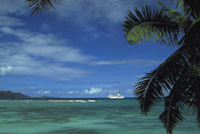
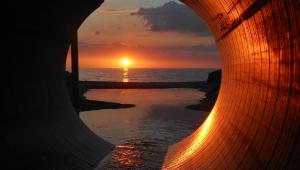
Even though the ship moves mostly at night, there are opportunities for "at sea" images while the ship's moving, and for those shots I might think about a faster shutter speed, but that's really a minor point. What does play a big part is a polarizing filter--it's an absolute necessity to deepen the sky and the water, whiten the clouds, and eliminate glare. I don't use a skylight filter, though I do carry a lot of warming filters. The Ultimate Photo Op Chances are you're not going to devote the same kind of energy that I do. For you it's a vacation, for me a job, but with all the access a cruise offers, you're going to have the opportunity to get some memorable photos.
|


| ||
|
||
- Log in or register to post comments





















 FEATURED VIDEO


Get the Latest Photo Tips, News & Reviews from Shutterbug!






| Camera Reviews Other Reviews | |
Mobile Reviews Photography Reviews Columns | |
News | |
Features | |
How-To | |
Resources |
 © 2024 Shutterbug
AVTech Media Americas Inc., USA
All rights reserved